
Benefits of Dental Implants vs. Bridges: Which is Right for You?
January 10, 2026Dental Implants vs. Bridges: Clinical Differences Explained
Tooth loss often becomes noticeable when chewing efficiency declines, food traps form, or nearby teeth shift. When this occurs, a dentist examines the missing-tooth area, the condition of surrounding teeth, gum health, and jawbone support to determine how to restore function without introducing new stress to the bite. Understanding the clinical differences among replacement options helps patients participate in treatment planning with clearer expectations.
This article explains how dentists compare implants and bridges based on anatomy, support, durability, and long-term oral health.
Overview: Implants vs Bridges Compared
Dental implants and bridges restore missing teeth using different support structures within the mouth. A dentist determines whether replacement should be anchored within the jawbone or supported by neighboring teeth. That decision depends on bone quality, gum stability, bite forces, and the condition of adjacent teeth rather than speed or convenience.
In both cases, the dentist aims to restore chewing function while protecting remaining teeth and supporting tissues from excess stress.
How Dental Implants Work?
A dentist uses an implant post placed in the jawbone to support a crown for a missing tooth. The dentist begins by examining the site and reviewing diagnostic imaging to assess bone volume, tissue health, and healing capacity. If conditions are appropriate, the dentist plans implant placement so the post can integrate with the bone and later support functional biting forces.
Patients asking about an implant procedure in Princeton, TX, are usually informed that treatment occurs in stages. The dentist allows healing time between placement and final restoration to stabilize the implant and reduce long-term risk. To determine whether a patient is an implant candidate, the dentist evaluates bone support, gum health, bite alignment, and healing-related medical factors.
How Dental Bridges Work?
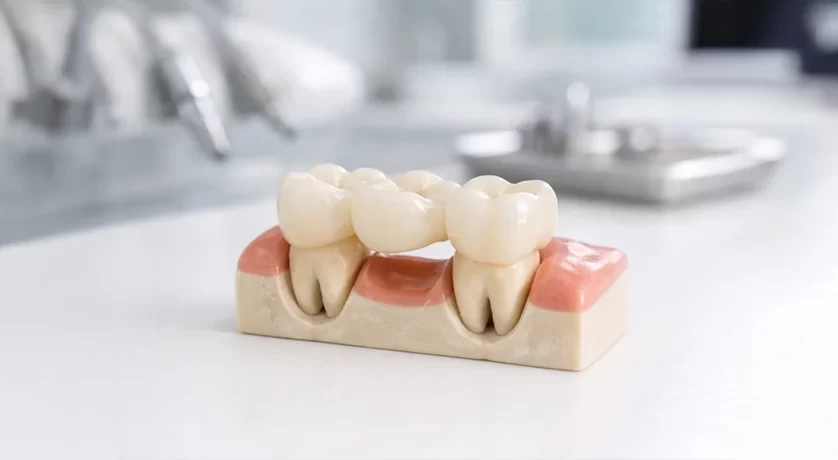
A dental bridge restores a missing tooth by using adjacent teeth as support. Before recommending this option, a dentist evaluates the neighboring teeth to confirm they are healthy enough to tolerate additional load without increasing the risk of fracture or decay.
When dental bridges are explained clinically, the dentist prepares the supporting teeth, takes impressions, and places a restoration to distribute bite forces evenly. Patients searching for a bridge procedure near you benefit from understanding that the long-term success of a bridge depends on the stability of the adjacent teeth and surrounding gum tissue.
Cost Comparison: Implants vs Bridges
Treatment cost reflects clinical complexity rather than category alone. Fees vary based on materials, preparation needs, and whether supporting tissues require treatment before restoration. A dentist explains cost by reviewing diagnostic findings and outlining which procedures are necessary to restore function safely.
Patients searching for tooth replacement in Princeton often want to understand long-term value rather than price alone. A clinical discussion helps patients understand what each option requires and how cost relates to long-term maintenance and monitoring.
Longevity & Durability: Long-Term Results
Long-term durability depends on how well the restoration is supported and maintained. Implants rely on bone stability, while bridges depend on the continued health of supporting teeth and gums. During routine exams, a dentist monitors bite alignment, tissue response, and restoration integrity to identify early signs of wear or stress.
Good home care, balanced bite forces, and regular checkups all affect the bridge durability that Princeton patients ask about.
Who Makes a Better Candidate for Each Option?
Candidacy is determined through a comprehensive evaluation rather than preference. A dentist near you examines gum health, bone support, bite patterns, and medical history before recommending either approach.
A dentist may discuss dental bridge eligibility when adjacent teeth are structurally sound and capable of supporting a restoration without added risk. Implant planning is considered when preserving neighboring teeth is a priority and bone conditions allow stable placement.
Patient Decision-Making Tips
Treatment decisions should be guided by anatomy and function rather than comparisons framed as better or worse. A dentist helps patients understand how each option affects surrounding teeth, bone preservation, maintenance needs, and future dental care.
Patients often benefit from asking how the dentist will monitor the restoration over time and what clinical signs are assessed during follow-up visits to prevent complications.
Final Thought
Replacing missing teeth requires careful evaluation of support structures, bite mechanics, and long-term oral health goals. Dentists assess these factors to recommend a plan that restores function while minimizing future risk. Hello Dental & Orthodontics discusses tooth replacement planning and follow-up care for patients in Princeton, TX.