
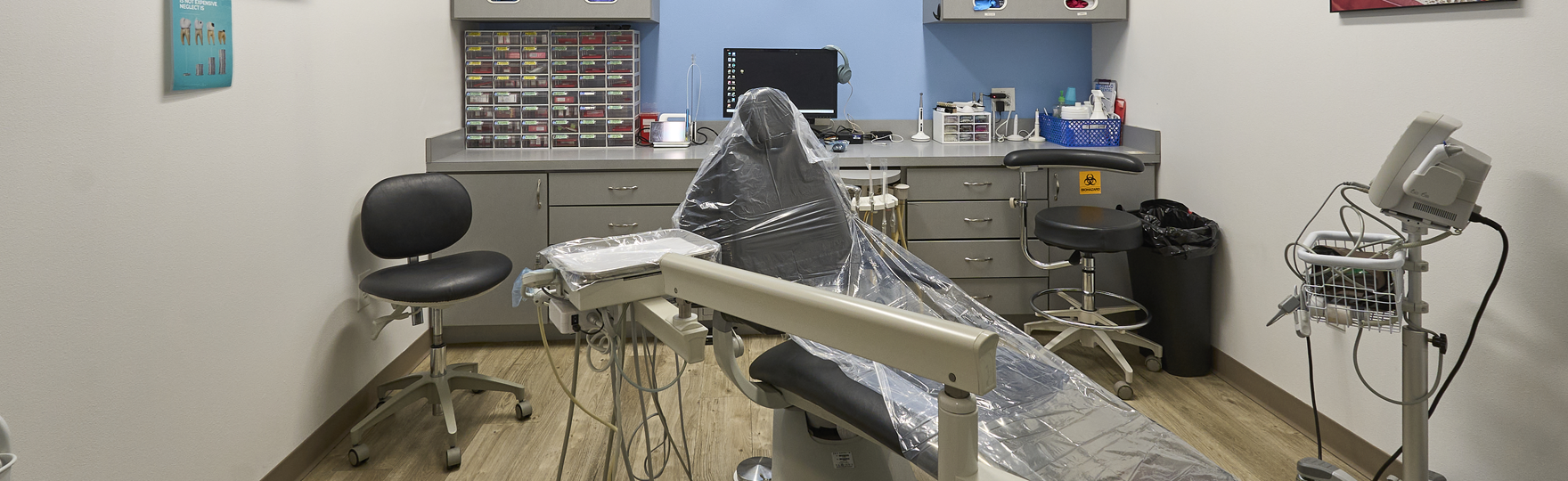

A healthy smile is not built in a single appointment. It develops through years of consistent care, healthy habits, and regular checkups that adapt to every stage of life. A family dentist in Princeton, TX, provides continuity, helping toddlers learn proper brushing, supporting teenagers as their dental needs change, protecting adults from silent oral diseases, and helping older adults maintain comfort and function. Instead of visiting different providers for each family member, a single dental team can monitor oral health over time and provide care that evolves with your needs.
Read More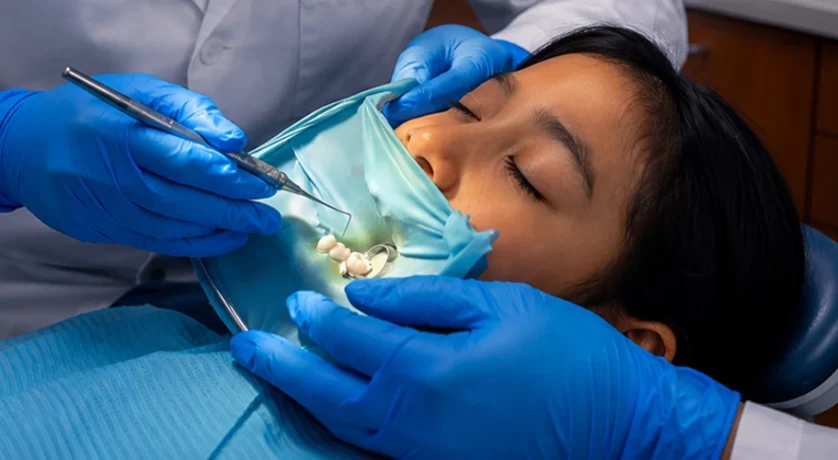
Tooth Extraction Aftercare: Healing Tips for Patients
August 10, 2026You walk out of the dental office relieved that the troublesome tooth is finally gone. Then, as the local anesthesia begins to wear off, a new question takes over: Am I doing everything right to heal properly? Recovery after an extraction is usually straightforward, but the first few days matter more than many people realize. The choices you make, what you eat, how you clean your mouth, and even whether you use a straw, can affect healing. For anyone recovering from a tooth extraction in Princeton, TX, proper aftercare is an important part of healing.
Read More
What Makes a Good Candidate for Dental Veneers?
August 5, 2026You catch your reflection and notice the same tiny flaws every day. A chipped edge. A stubborn stain that whitening never seems to erase. A tooth that's slightly uneven and always draws your attention in photos. It is easy to assume veneers can solve every cosmetic concern, but the truth is more interesting. The best smile transformations begin long before a veneer is placed. If you're considering dental veneers in Princeton, TX, understanding what makes someone a suitable candidate helps ensure beautiful, healthy, and lasting results rather than a temporary cosmetic fix.
Read More
How Regular Dental Visits Support Long-Term Oral Health
July 20, 2026Most people schedule a dental appointment only when something hurts. That seems logical until a tiny cavity suddenly becomes a toothache or mild gum irritation turns into a more serious problem. Many dental conditions develop quietly, showing few noticeable symptoms during the early stages. That's why dental exams and cleanings in Princeton, TX, play such an important role in protecting your smile. Regular visits allow your dental team to identify concerns early, remove harmful buildup, and monitor changes that could affect your oral health over time. Instead of reacting to problems, routine care focuses on preventing them before they become more difficult and costly to treat.
Read More