At Hello Dental & Orthodontics, implant treatment begins with a personalized examination. We evaluate your gums, available bone, bite, medical history, and replacement goals before recommending care. Based on your individual needs, dental implants may be used to support a crown, bridge, removable denture, or a full-arch prosthesis.
What Is a Dental Implant?
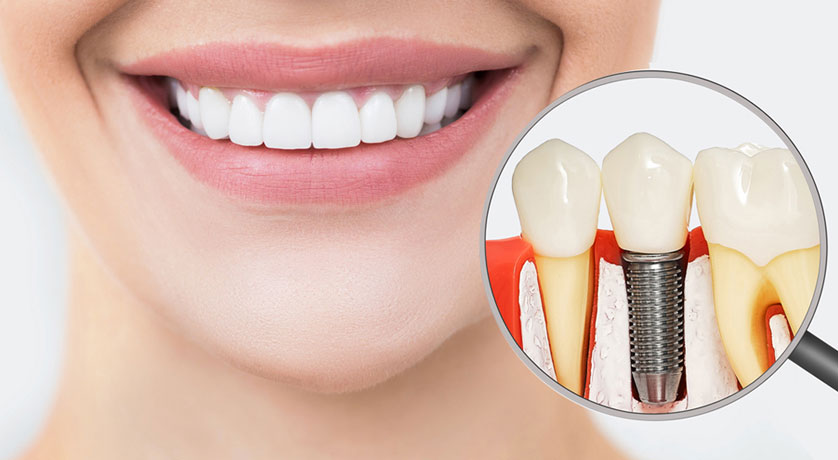
A dental implant is a small fixture placed in the jawbone to function like an artificial tooth root. Most traditional implants are made of biocompatible titanium and are placed in the maxilla or mandible.
An implant restoration generally includes three parts:
- Implant fixture: The portion placed within the jawbone
- Abutment: The connector between the fixture and restoration
- Restoration: A custom-made crown, bridge, or denture that restores your smile and chewing function
After placement, the surrounding bone gradually heals around the fixture through a process called osseointegration. Once the implant has suitable stability, the final restoration can be attached.
When Should You Replace a Missing Tooth?
A missing tooth may not cause immediate discomfort, but it can still affect the balance of your mouth. You may want to explore tooth implant services if you notice:
- Difficulty chewing certain foods
- Changes in speech
- Nearby teeth drifting toward the gap
- Food collecting in the open space
- Uneven bite pressure
- Reduced confidence when smiling
- Movement in a removable denture
- Changes in jawbone support
Replacing a tooth may help restore bite function and reduce unwanted movement of the surrounding teeth. The timing depends on gum health, bone condition, infection, and whether an extraction is required.
Dental Implant Options
Implant dentistry in Princeton, TX, can be adapted to replace one tooth, several teeth, or an entire dental arch.
Single-Tooth Dental Implant
This treatment replaces a missing tooth by combining a dental implant with a custom crown to restore function and appearance. Unlike a traditional bridge, this option may preserve neighboring healthy teeth because they do not usually need to be reshaped for support.
The replacement crown is designed to closely match the neighboring teeth in size, shape, and color.
Implant-Supported Bridge
An implant-supported bridge may replace several consecutive missing teeth. Strategically positioned implants support a connected restoration, reducing dependence on adjacent natural teeth.
This option may help restore chewing function, close a larger gap, and provide greater stability than some removable appliances.
Implant-Supported Dentures
Over time, changes in the jawbone may reduce the fit and stability of traditional dentures, making everyday activities less comfortable. Implant-supported dentures use fixtures to improve retention and reduce movement.
Depending on the design, the restoration may be:
- Removable for daily cleaning
- Fixed in place and removed only by a dental professional
- Designed as an overdenture that attaches securely to the implants
This treatment may improve speech, comfort, and confidence while eating.
Full-Arch Dental Implants
Full-mouth dental implants may be considered when most or all teeth in one arch are missing or cannot be predictably restored. Several implants can support a fixed or removable full-arch prosthesis.
All-on-4® dental implants may be recommended for certain patients after a comprehensive clinical evaluation. However, not every full-arch case uses the same number of fixtures. Bone distribution, bite forces, anatomy, and restoration design influence the treatment plan.
Same-day or immediate dental implants may be possible in selected cases. A temporary restoration may sometimes be placed during the initial phase, while the final teeth are completed after healing.
Benefits of Dental Implants
If you search for “dental implants near me”, you will know these artificial tooth roots provide several functional and cosmetic advantages, including:
- Improved chewing ability
- Stable replacement teeth
- Natural-looking smile restoration
- Better speech compared with loose dentures
- Support for crowns, bridges, or dentures
- Preservation of adjacent tooth structure in many single-tooth cases
- Functional stimulation of the treated jawbone
- Improved bite balance
- Fixed or removable restoration choices
- Long-term restorative potential with proper care
Results depend on gum health, bone support, healing, bite forces, oral hygiene, and routine professional monitoring. Implants are not the right option for every patient, so alternatives should also be discussed.
Are You a Candidate for Dental Implants?
Candidacy requires an in-person dental implant consultation. Your dentist may evaluate:
- Number and location of missing teeth
- Gum and periodontal health
- Available bone volume
- Medical conditions
- Medication history
- Tobacco use
- Healing ability
- Oral hygiene habits
- Bruxism or teeth grinding
- Bite alignment
- Treatment expectations
- Ability to attend follow-up care
Active gum disease, uncontrolled diabetes, heavy tobacco use, infection, or limited bone may increase treatment risks. These concerns do not always prevent implant care, but they may need to be managed first.
What If You Have Bone Loss?
Adequate jawbone is needed to support an implant fixture. Bone loss may develop after long-term tooth loss, gum disease, infection, trauma, or extraction.
Digital X-rays and three-dimensional imaging, such as a CBCT scan, may be used to assess the surgical site. Some patients have sufficient bone for direct placement, while others may need:
- Socket preservation
- Bone grafting
- Ridge augmentation
- Guided bone regeneration
- Sinus augmentation
Bone grafting for dental implants may increase the overall treatment time because the area may need to heal before placement. In selected cases, grafting and implant surgery can occur during the same visit.
The Dental Implant Process
Consultation and Examination
Your dentist examines the teeth, gums, bite, and missing areas. The visit may include a medical history review, periodontal evaluation, digital imaging, and discussion of your goals.
Treatment Planning
The treatment plan determines the implant position, restoration type, need for extraction or grafting, number of stages, and temporary-tooth options.
Implant Placement
The surgical area is numbed with local anesthesia. The fixture is then positioned within the jawbone. Post-operative instructions are provided to support soft-tissue healing and protect the surgical site.
Healing and Osseointegration
The implant usually needs time to integrate with the surrounding bone before it supports the final restoration. Healing time varies based on bone quality, implant location, grafting, and overall health.
Final Restoration
Once suitable stability is achieved, an abutment is attached, and a customized crown, bridge, or denture is created. The restoration is checked for fit, appearance, cleaning access, and bite alignment.
Maintenance
Follow-up visits help monitor the tissues, supporting bone, bite forces, and prosthetic components.
Dental Implants vs. Dental Bridges
A dental implant is supported by the jawbone, while a traditional bridge usually relies on neighboring teeth.
A bridge may be completed more quickly and does not require implant surgery. It may also be appropriate when adjacent teeth already need crowns.
A single implant generally takes longer because healing is required, but it may preserve healthy neighboring tooth structure. Bone availability, gum health, treatment time, maintenance, and personal preference should all be considered.
Read our guide to compare dental implants and bridges for additional information.
How Long Does Treatment Take?
The dental implant procedure in Princeton, TX, does not follow one universal timeline. Treatment length may depend on:
- Tooth extraction
- Infection
- Bone grafting
- Number of fixtures
- Implant location
- Healing response
- Immediate or delayed placement
- Type of final restoration
Some stages may be combined, while more complex treatment may require additional healing appointments.
Caring for Dental Implants
Implants cannot develop cavities, but the surrounding gums and bone remain vulnerable to inflammation.
To protect your restoration:
- Brush twice daily
- Clean carefully around the gumline
- Use floss or an interdental aid as recommended
- Clean underneath implant bridges
- Attend routine dental visits
- Avoid tobacco
- Address teeth grinding
- Report swelling, bleeding, pain, or movement
Peri-implant mucositis affects the soft tissue around an implant. Peri-implantitis includes inflammation and progressive bone loss. Early professional care is important if symptoms appear.
Why Choose Hello Dental & Orthodontics?
Our Princeton dental office provides personalized implant treatment planning and restorative care in a convenient setting. Patients benefit from:
- Individualized treatment recommendations
- Clear explanations of available options
- Technology-supported evaluation
- Care for surgical and restorative stages
- Saturday appointments
- PPO and fee-for-service acceptance
- Ongoing implant maintenance
We welcome patients from Princeton, Farmersville, Lowry Crossing, New Hope, Lucas, Melissa, Blue Ridge, McKinney, and nearby communities.
Schedule a Dental Implant Consultation in Princeton, TX
No matter how many teeth you’re missing, a comprehensive examination can help identify the most suitable tooth replacement option based on your oral health and treatment goals.
If you are looking for a reliable dental implant clinic, book an appointment at Hello Dental & Orthodontics in Princeton for a personalized assessment and treatment plan.
Frequently Asked Questions
Immediate implant placement may be possible when the extraction site has adequate bone, healthy tissue, and a manageable risk of infection. Some areas heal more predictably before placement.
The implant fixture remains in the jawbone. Crowns and fixed bridges are not removable at home. Some implant-supported dentures can be removed for cleaning.
Yes. Several missing teeth may be replaced with an implant-supported bridge, overdenture, or full-arch restoration.
Brush around the gumline and use floss, interdental brushes, or other recommended cleaning aids. Professional maintenance is also essential.
Yes. Untreated gum disease and plaque-related inflammation may affect the tissues and supporting bone around an implant.
Avoid chewing on the area and contact the dental office promptly. The looseness may involve the crown, abutment, or implant fixture and should be professionally evaluated.