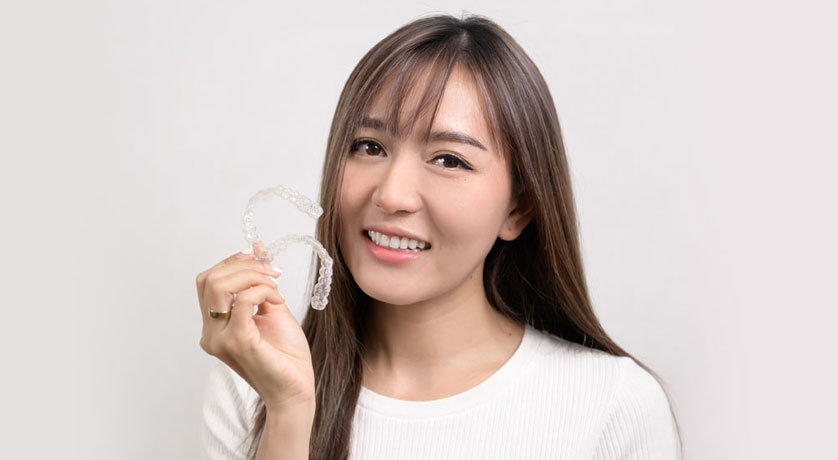
Invisalign treatment uses a sequence of customized trays to guide teeth into planned positions. The trays are designed to be removed for meals and oral hygiene, but consistent daily wear is necessary for treatment to progress as planned.
Not every orthodontic condition is suitable for Invisalign in Princeton, TX. A professional examination is required to assess your teeth, gums, bite, bone support, and treatment goals before clear aligners are recommended.
What Is Invisalign?
Invisalign is a branded clear-aligner system that uses custom removable trays to straighten teeth and address selected bite concerns. Each aligner represents one stage of planned tooth movement.
As you move through the prescribed series, the trays apply controlled pressure to specific teeth. Progress is monitored through scheduled appointments, and adjustments may be made when needed.
Some treatment plans may also include:
- Tooth-coloured attachments
- Orthodontic elastics
- Minor space creation between selected teeth
- Refinement aligners
- Retainers after active treatment
Although some patients search for “invisible braces in Princeton, TX,” Invisalign does not use braces. It is a removable orthodontic treatment that requires professional planning and supervision.
How Does Invisalign Move Your Teeth?
Treatment begins with digital records of your teeth and bite. These may include a digital scan, photographs, and X-rays when clinically necessary.
The information is used to create a three-dimensional treatment plan that maps the intended tooth movements. Each tray applies gentle pressure to selected areas. The periodontal ligament and surrounding bone gradually respond, allowing the teeth to move over time.
Patients often change trays every one or two weeks, although the exact schedule depends on the treatment plan. Progress visits allow the provider to check aligner fit, tooth movement, oral health, and the need for refinements.
What Can Invisalign Treat?
Clear aligners may be appropriate for several orthodontic conditions, depending on their cause and severity.
Crowded Teeth
Crowding occurs when there is not enough room in the dental arch for every tooth to sit properly. Teeth may overlap, rotate, or erupt outside the ideal position.
Invisalign for crowded teeth may improve alignment by creating space and guiding selected teeth into a more balanced arrangement.
Gaps Between Teeth
Spaces can develop due to tooth size differences, missing teeth, habits, or arch shape. Invisalign for gaps may help close selected spaces when aligner treatment is appropriate.
Overbite and Excessive Overjet
An overbite involves excessive vertical overlap of the front teeth. Overjet occurs when the upper front teeth project too far forward.
Selected cases may respond to aligners, attachments, or elastics. Suitability depends on whether the concern is related mainly to tooth position, jaw structure, or both.
Underbite, Crossbite, and Open Bite
Some dental underbites, crossbites, and open bites may be treated with clear aligners. More complex or skeletal cases may require braces, additional appliances, specialist care, or oral surgery.
Teeth That Shifted After Braces
Teeth can move when retainers are not worn consistently or when natural changes occur over time. Patients with minor orthodontic relapse may be candidates for clear aligners after braces.
Who May Be a Candidate for Invisalign?
Adults and teens with fully erupted permanent teeth may qualify for Invisalign treatment in Princeton, TX.
Good candidates generally have:
- Healthy teeth and gums
- Adequate bone support
- Treatable crowding, spacing, or bite concerns
- Good oral-hygiene habits
- The ability to wear trays as prescribed
- Realistic expectations
- Willingness to attend monitoring appointments
- Commitment to retainer wear
Certain concerns may need treatment before orthodontic movement begins, including:
- Untreated cavities
- Active gum disease
- Dental infections
- Poor oral hygiene
- Significant bone loss
- Broken or failing restorations
Crowns, veneers, implants, or missing teeth do not always prevent treatment, but they may affect planning. Dental implants cannot be moved like natural teeth.
Benefits of Invisalign Clear Aligners
Potential benefits include:
- Clear, discreet appearance
- Removal during meals
- Fewer food restrictions
- Easier access for brushing and flossing
- No fixed metal brackets or wires
- Smooth tray surfaces
- Digital treatment planning
- Treatment for selected alignment and bite concerns
- Flexibility for work, school, and social activities
The trays may be removed briefly for important occasions, but extended removal can interfere with progress. If you are searching for “Invisalign near me”, you should know that this treatment still requires daily discipline, regular appointments, and long-term retention.
The Invisalign Treatment Process
Invisalign Consultation
Your Invisalign consultation in Princeton, TX, includes a discussion of your concerns and goals. The provider evaluates tooth position, spacing, crowding, gum health, and bite alignment.
Digital Scan and Planning
A digital scan captures the shape and position of your teeth. Photographs and X-rays may also be recommended.
The records support a customized treatment plan that outlines intended movements, estimated stages, and potential limitations. A digital simulation is a planning tool and does not guarantee that every tooth will move exactly as projected.
Receiving Your Aligners
At your delivery visit, the trays are checked for fit. You will receive instructions on insertion, removal, cleaning, daily wear, and what to do if a tray is lost or damaged.
Changing Aligner Sets
Each set is worn for the prescribed period, commonly one or two weeks. Patients should not advance to the next tray without following the assigned schedule.
Progress Visits and Refinements
Monitoring appointments allow the provider to assess tracking, tooth movement, gum health, attachments, and elastics.
If certain movements remain incomplete, another scan and additional refinement aligners may be recommended.
Retainers After Invisalign
Teeth naturally tend to shift after orthodontic treatment. A removable or fixed retainer helps maintain the corrected positions.
Your provider will explain the initial and long-term wear schedule. Retainers may eventually need to be replaced if they become worn, cracked, distorted, or loose.
What Are Invisalign Attachments?
Attachments are small tooth-coloured composite shapes bonded to selected teeth. They help the aligners grip the teeth and apply pressure in specific directions.
They may assist with:
- Tooth rotation
- Root movement
- Extrusion or intrusion
- Improved tray retention
- Selected bite corrections
Attachments are removed after active treatment. They are tooth-coloured but may make the aligners slightly more noticeable.
How Many Hours a Day Should You Wear Invisalign?
Patients are typically advised to keep their aligners in place for about 20 to 22 hours each day to support the planned tooth movements.
The trays should generally remain in place during sleep and be removed for meals, oral hygiene, and most drinks other than plain water. Leaving them out for extended periods may delay treatment or affect fit.
Eating and Drinking With Invisalign
Remove aligners before eating unless your provider gives different instructions.
Plain water is generally acceptable while the trays are in place. Hot drinks may distort the material, while coloured, acidic, or sugary beverages may stain the aligners or expose the teeth to acids and sugar.
After meals:
- Brush your teeth when possible
- Rinse when brushing is unavailable
- Rinse the trays before reinsertion
- Store them in their case
Avoid wrapping aligners in tissue, as they may be discarded accidentally.
How to Clean Invisalign Aligners
Rinse the trays whenever you remove them. Use cool or lukewarm water and follow the cleaning instructions provided by your dental team.
Avoid:
- Hot or boiling water
- Abrasive toothpaste
- Bleach
- Household chemicals
- Forcing a damaged tray into place
Clean your teeth before reinserting the aligners and keep the storage case clean.
Invisalign and Oral Health
Removable trays allow normal brushing and flossing without fixed brackets or wires. Improving crowded areas may also make certain surfaces easier to clean after treatment.
However, Invisalign services do not prevent cavities or gum disease. Wearing trays over unclean teeth can trap plaque, food residue, sugar, and acids against the enamel and gums.
Continue regular dental examinations and cleanings throughout treatment.
Invisalign vs. Traditional Braces
Invisalign uses removable trays, while traditional braces remain fixed to the teeth.
Clear aligners offer a less noticeable appearance, fewer food restrictions, and easier access for oral hygiene. Their success depends heavily on consistent wear.
Braces may provide better control for certain complex rotations, root movements, skeletal concerns, or significant bite problems. Both options require monitoring visits, careful hygiene, and retainers.
The right approach depends on the diagnosis, treatment goals, and patient compliance.
How Long Does Invisalign Treatment Take?
Treatment may take several months to more than a year.
The timeline depends on:
- Severity of crowding or spacing
- Type of bite correction
- Number of tooth movements
- Daily wear time
- Biological response
- Need for refinements
- Lost or damaged trays
- Missed appointments
Your estimated duration will be discussed after the examination and digital planning process.
Does Invisalign Hurt?
A new tray may cause pressure or temporary soreness as the teeth begin moving. This often improves within a few days.
Attachments may feel rough when the trays are removed, and tray edges can occasionally irritate the cheeks or tongue. Severe, sharp, or persistent discomfort should be evaluated.
Limitations and Risks
Patients should understand that:
- Not every condition is suitable for aligners
- Treatment depends on consistent wear
- Attachments or elastics may be required
- Refinements may extend treatment
- Teeth may not move exactly as planned
- Temporary soreness or speech changes can occur
- Cavities and gum inflammation remain possible
- Gum recession may occur in susceptible patients
- Root shortening is a possible orthodontic risk
- Teeth can shift without retainer wear
Why Choose Hello Dental & Orthodontics for Invisalign?
Patients seeking a dental clinic for Invisalign can receive orthodontic and general dental care in one Princeton office.
Our approach includes:
- Personalized treatment planning
- Digital scans
- Braces and aligner options
- In-office orthodontic monitoring
- Ongoing evaluation of teeth and gums
- Coordination with preventive and restorative care
- Saturday appointment availability
We also welcome patients from McKinney, Farmersville, Lowry Crossing, Melissa, Lucas, Lavon, New Hope, Fairview, and nearby communities.
Schedule an Invisalign Consultation in Princeton, TX
An Invisalign consultation can help determine whether clear aligners are suitable for your crowding, spacing, bite concerns, or orthodontic relapse.
Contact Hello Dental & Orthodontics to request an appointment and discuss a customized treatment plan.
Frequently Asked Questions
Many patients change trays every one or two weeks, but the provider determines the exact schedule.
Selected cases may respond to aligners, attachments, or elastics. More complex jaw-related concerns may require another treatment approach.
Contact the dental office before advancing to another tray or returning to an earlier set.
Yes. Retainers help reduce unwanted tooth movement after active treatment.
Active decay, infections, and periodontal disease generally need to be treated or stabilized before orthodontic movement begins.