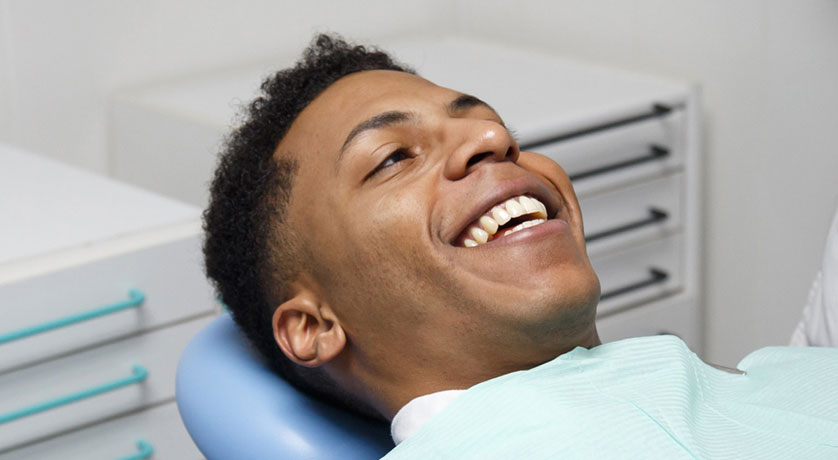
General dentistry in Princeton, TX, provides a central point of care for routine checkups and unexpected oral-health concerns. Children may need cavity prevention and growth monitoring, adults may require care for worn restorations or gum inflammation, and older patients may face dry mouth, recession, missing teeth, or medication-related changes.
There is no single appointment schedule that suits everyone. Visit frequency should reflect cavity risk, gum health, medical history, previous treatment, age, and home-care habits. By developing an ongoing relationship with one dental office, patients gain a dental home for routine care, changing needs, and new symptoms.
What Is General Dentistry?
General dentistry covers the prevention, diagnosis, and treatment of common oral-health conditions. It also includes patient education, gum health monitoring, and ongoing maintenance.
A general dentist may:
- Examine the teeth, gums, soft tissues, and bite
- Identify decay, cracks, infection, and worn dental work
- Recommend X-rays when clinically appropriate
- Evaluate periodontal health
- Provide preventive treatment
- Restore damaged teeth
- Explain home-care techniques
- Monitor changes over time
- Coordinate specialist care when needed
General dental services are broader than a cleaning appointment. They connect examination findings with prevention, treatment planning, and follow-up care.
Why Routine Dental Care Matters
Many dental conditions develop gradually. A small cavity may not cause pain, and early gum disease can progress with few noticeable symptoms. Cracked enamel, worn fillings, tooth grinding, and soft-tissue changes may also go unnoticed without an examination.
Routine monitoring may help identify:
- Cavities before more tooth structure is lost
- Bleeding or swelling linked to gum inflammation
- Cracks and damaged restorations
- Bite changes
- Enamel wear from grinding
- Recession and exposed root surfaces
- Persistent sores, patches, or lumps
- Infection affecting the pulp or tooth root
Early detection does not guarantee simpler treatment, but it can provide more options and reduce the chance of a concern becoming harder to manage.
General Dentistry Services We Provide
Dental Exams and Cleanings
A routine visit may include a review of your health history, an examination of the teeth and gums, cavity screening, a bite assessment, and an evaluation of existing restorations.
When a regular cleaning is appropriate, plaque and hardened tartar are removed from accessible tooth surfaces. Your dental team may also provide brushing, flossing, and home care recommendations based on your individual risk factors.
Explore our dental exams and cleanings services in Princeton.
Dental X-Rays and Diagnostic Care
Dental X-rays may reveal problems that are not visible during a clinical examination. They can help identify decay between teeth, infection near the root, bone loss, impacted teeth, and damage beneath restorations.
X-rays are not automatically required at every visit. Their timing depends on symptoms, age, dental history, previous images, and disease risk.
Oral Cancer Screenings
An oral cancer screening checks the lips, tongue, cheeks, gums, palate, jaw, and neck for unusual changes.
Report sores that do not heal, red or white patches, unexplained lumps, persistent hoarseness, or difficulty swallowing. An abnormal finding does not always indicate cancer, but it may require monitoring or further evaluation.
Gum Disease Evaluation and Treatment
Bleeding, swelling, recession, persistent bad breath, or loose teeth may be related to periodontal disease. Evaluation may include measuring gum pockets, checking bleeding, assessing mobility, and reviewing bone levels.
Gingivitis affects the gums, while periodontitis also damages the tissues and bone supporting the teeth. Treatment may involve scaling and root planing followed by periodontal maintenance.
Fluoride Treatments and Dental Sealants
Fluoride can support enamel that is vulnerable to acid-related mineral loss. It may be recommended for patients with frequent cavities, dry mouth, exposed roots, or orthodontic appliances.
Sealants protect deep pits and grooves where food and bacteria collect. They are often used for children but may also benefit selected adults.
Dental Fillings
When tooth decay forms a cavity, the damaged area is removed and the cavity is restored. Tooth-colored composite material can repair selected cavities, small chips, and minor damage, helping restore normal shape and function.
Learn more about tooth-coloured dental fillings.
Dental Crowns
When a tooth has been weakened, a dental crown can cover and protect the portion above the gumline while restoring normal function. It may be recommended for a large cavity, crack, fracture, extensive wear, or a tooth that has undergone root canal treatment.
Same-day crown care may be available for eligible cases, depending on the tooth, surrounding tissues, and treatment complexity.
Root Canal Therapy
Deep decay, cracks, trauma, or infection can damage the dental pulp inside a tooth. Root canal therapy removes the affected tissue, cleans and seals the inner space, and is intended to preserve the natural tooth when possible.
A filling or crown is usually needed afterward to restore strength and function.
Tooth Extractions
Removing a tooth may become necessary when severe decay, extensive damage, infection, an impacted tooth, or another condition makes preserving it unlikely.
After an extraction, your dentist may recommend replacement options to help restore your bite, appearance, and oral function when appropriate.
Emergency Dental Evaluations
A severe toothache, facial swelling, a broken tooth, a dental injury, a lost restoration, or signs of infection should be assessed promptly.
Facial swelling, difficulty breathing or swallowing, uncontrolled bleeding, or major trauma may require immediate emergency attention.
Common Signs You Should Visit a General Dentist
Schedule an evaluation if you notice:
- Tooth pain or pressure
- Sensitivity to temperature or sweets
- Bleeding or swollen gums
- Persistent bad breath
- A chipped or cracked tooth
- A loose filling or crown
- Difficulty chewing
- Jaw discomfort
- Dry mouth
- A sore that does not heal
- Tooth discolouration
- Loose teeth
- A change in your bite
- A long gap since your last visit
Do not wait for a routine appointment if you have severe pain, major swelling, uncontrolled bleeding, or a dental injury.
What Happens During a General Dental Visit?
Health-History Review
Your dentist reviews medications, medical conditions, allergies, previous dental treatment, and current symptoms. Mention dental anxiety, pregnancy, recent surgery, or any changes since your previous visit.
Examination of Teeth and Dental Work
The dentist checks for cavities, cracks, wear, infection, and bite changes. Fillings, crowns, bridges, dentures, and implants are also examined for looseness, fracture, or recurrent decay.
Gum-Health Evaluation
The gums are assessed for bleeding, swelling, recession, and plaque buildup. Periodontal measurements may be recorded when needed.
Diagnostic Imaging
Bitewing, periapical, or panoramic X-rays may be selected according to the area being evaluated. Recommendations are based on clinical need rather than a fixed schedule.
Personalized Treatment Plan
After the examination, your dentist explains the findings, treatment options, the recommended order of care, preventive needs, the follow-up schedule, and any relevant limitations.
Preventive Care Based on Your Risk
Many patients attend every six months, but others may need a different interval. Recommendations may change because of:
- Cavity history
- Gum disease
- Dry mouth
- Tobacco use
- Diabetes
- Orthodontic appliances
- Dental implants
- Existing restorations
- Pregnancy-related oral changes
- Age
- Home-care effectiveness
Preventive care is most effective when it is adapted to the individual.
General Dentistry Through Every Stage of Life
Children
Age-appropriate care may include first visits, routine examinations, cavity risk assessment, cleaning, fluoride, sealants, brushing guidance, dietary education, and monitoring of tooth eruption and bite development.
Teens
Teen care may focus on cavity prevention, gum health, orthodontic hygiene, sports mouthguards, monitoring of wisdom teeth, sugary drinks, and grinding.
Adults
Adult dental care often involves prevention alongside evaluation of worn fillings, sensitivity, gum disease, cracks, bruxism, missing teeth, and cosmetic or restorative concerns.
Older Adults
Older adults may experience dry mouth, root cavities, gum recession, worn teeth, medication-related changes, or challenges with dentures and implants. Recommendations may include modified cleaning techniques and closer monitoring of exposed roots or existing dental work.
General Dentistry vs. Family Dentistry
If you search for “general dentistry near me”, you will see that this dentistry supports long-term oral health by combining preventive services with the diagnosis and management of common dental problems. Family dentistry usually emphasizes providing that care to multiple age groups.
The terms often overlap. The practical difference depends on which ages the office treats and which services are available.
Routine Cleaning vs. Deep Cleaning
A routine cleaning supports prevention in patients without active periodontitis. It removes plaque, tartar, and surface stains from accessible areas above and around the gumline.
A deep cleaning usually refers to scaling and root planing. It is recommended when deposits and periodontal pockets extend below the gumline. Treatment may require local anesthetic, multiple visits, and follow-up periodontal maintenance.
Deep cleaning is not simply a more extensive routine cleaning. It addresses diseases affecting the tissues that support the teeth.
Home Care Between Dental Visits
Daily habits help reduce plaque and cavity-causing acids.
- Brush twice daily with fluoride toothpaste
- Clean between teeth
- Limit frequent sugary snacks and drinks
- Clean dentures, retainers, and aligners as directed
- Use a sports mouthguard when recommended
- Avoid tobacco
- Report symptoms rather than waiting for the next visit
Why Choose Hello Dental & Orthodontics?
Patients can receive preventive, restorative, cosmetic, emergency, and orthodontic care at our Princeton general dental clinic.
Available features include:
- Care for children, adults, and seniors
- Personalized treatment planning
- Digital diagnostic technology
- Same-day crown capability for eligible cases
- Saturday appointment availability
- Patient education
- Coordination of multiple dental needs under one roof
- PPO and fee-for-service support where applicable
The office also serves patients from Farmersville, McKinney, Lowry Crossing, Melissa, Lucas, Lavon, New Hope, Parker, Fairview, and nearby communities.
Schedule a General Dentistry Appointment in Princeton, TX
If it’s time for a routine visit, you’ve noticed a new dental concern, or it’s been a while since your last appointment, Hello Dental & Orthodontics can provide a comprehensive evaluation and personalized care recommendations.
New and existing patients can request a general dental appointment for individual or family care at the Princeton location. Schedule your visit online by choosing an appointment time that fits your schedule.
Frequently Asked Questions
General care may include examinations, cleanings, X-rays when needed, cavity detection, gum screening, fillings, crowns, root canal treatment, extractions, preventive care, and emergency evaluations.
Many patients attend every six months, but the right interval depends on cavity risk, gum health, medical history, previous treatment, and home care.
No. X-rays are recommended based on symptoms, age, history, prior imaging, and disease risk.
Routine cleaning supports prevention when there is no active periodontal disease. Deep cleaning treats deposits and inflamed tissues below the gumline when periodontitis is present.
Yes. Cavities, early gum disease, cracks, and worn restorations may develop before they cause discomfort.
Yes. Recommendations are adjusted for age, tooth development, medications, dexterity, restorations, and individual risk.