
How Often Should You Get a Dental Cleaning? Preventive Care Tips for Families in Princeton?
February 1, 2026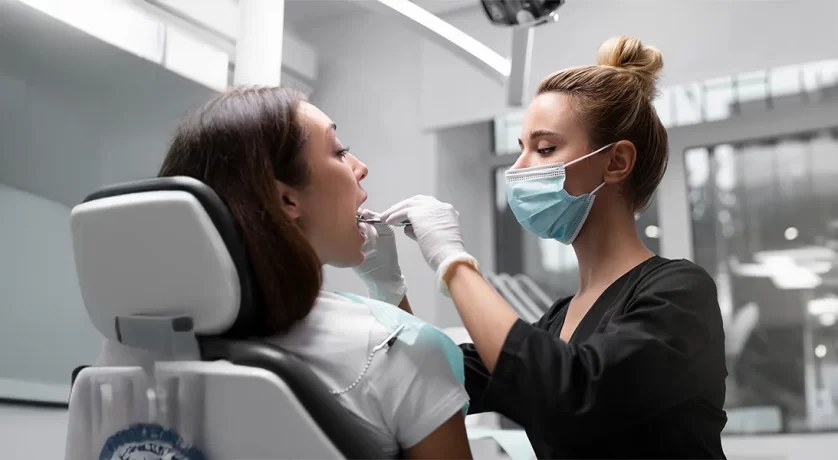
Understanding how dentists determine cleaning frequency helps families plan care proactively and reduce the likelihood of preventable dental problems.
The Importance of Preventive Dental Care
Dental cleanings are part of broader preventive dental care aimed at identifying issues before they progress. During a cleaning visit, the dentist and hygienist remove dental plaque and tartar that brushing alone cannot address. This process reduces inflammation and allows the dentist to evaluate gum tissue, enamel wear, and early decay.
Preventive visits also give dentists an opportunity to share practical dental health tips based on observed habits and oral conditions. These insights help patients maintain daily routines that support long-term oral stability.
Recommended Cleaning Frequency by Age
Cleaning frequency varies with age, oral development, and health status. Dentists consider growth patterns, hygiene habits, and medical history when recommending a schedule.
- Children and teens often follow a family dental cleaning schedule that supports developing enamel and changing bite patterns.
- Adults with stable oral health typically maintain routine intervals unless risk factors change.
- Older adults may require closer monitoring due to gum recession or restorative dental work.
These recommendations are refined during exams rather than applied uniformly.
Signs You Might Need More Frequent Cleanings
Some patients benefit from shorter intervals between cleanings. Dentists assess inflammation, plaque accumulation, and early gum disease signs during exams. Bleeding gums, persistent bad breath, or gum tenderness may indicate a need for closer monitoring.
Patients with a history of periodontal issues, orthodontic appliances, or systemic conditions may have frequent cleaning needs to control bacterial buildup and reduce disease progression.
Cleaning vs Checkup: What’s the Difference?
A cleaning and a checkup serve different but complementary roles. Cleanings focus on removing deposits and polishing tooth surfaces. A checkup involves a comprehensive evaluation of teeth, gums, bite, and oral tissues.
Together, they form a dental cleaning and exam near you that allows the dentist to track changes, compare findings over time, and identify early concerns before symptoms develop.
How Cleanings Prevent Bigger Problems
Routine cleanings disrupt bacterial buildup that contributes to decay and periodontal disease. By removing hardened deposits, dentists reduce inflammation and limit damage to supporting structures.
This preventive approach supports cavity prevention by lowering acid-producing bacteria and allowing early enamel changes to be addressed before fillings are needed. Cleanings also provide consistent data points for long-term monitoring.
Tips Parents Can Teach Kids for Better Oral Care
Early habits influence lifelong oral health. Dentists often guide parents on reinforcing kids’ dental care routines that match a child’s age and ability.
Simple children brushing tips include supervising brushing, using appropriate toothpaste amounts, and establishing consistent timing. Cleanings reinforce these habits by allowing dentists to correct technique and identify areas where plaque accumulates.
Insurance & Cost Considerations for Cleanings
Most insurance plans support routine cleanings as part of preventive coverage, but frequency limits may vary. Dentists review coverage details during visits to help families understand scheduling options and financial planning.
Discussing coverage in advance allows care to continue without interruption and ensures that preventive visits remain consistent.
Final Thought
Dental cleaning schedules are determined through ongoing evaluation rather than fixed rules. By assessing oral changes, hygiene effectiveness, and risk factors, dentists help families maintain stable oral health over time. Practices such as Hello Dental & Orthodontics support this approach by guiding patients through preventive planning with a dentist in Princeton, TX, ensuring that care decisions are based on clinical findings rather than assumptions.