
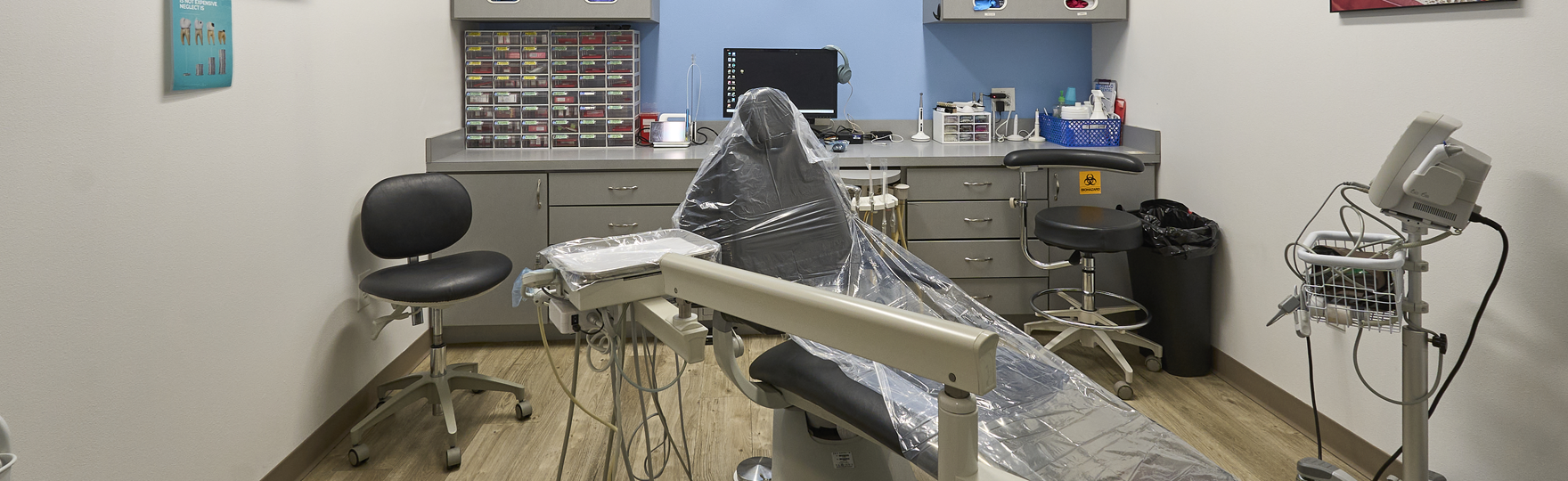
How Invisalign Improves Oral Health Beyond Just Straight Teeth
April 28, 2026A straighter smile can improve appearance, but alignment also affects how the mouth functions every day. When teeth overlap, twist, or come together unevenly, brushing and flossing become harder, and certain areas of the bite may absorb more pressure than they should. In that setting, Invisalign treatment in Princeton, TX can do more than improve cosmetics. By guiding teeth into healthier positions, it may also support cleaner surfaces, more even wear, and better long-term comfort.
How Misaligned Teeth Affect Overall Oral Health
Misaligned teeth often create problems that are easy to overlook until they begin affecting daily hygiene. When teeth are crowded or rotated, plaque and food particles can collect in spots that are difficult to reach. Over time, this can raise the risk of gum irritation and cavities, especially along the gumline and between tightly packed teeth.
The connection between oral health and teeth alignment becomes clearer when dental crowding starts interfering with brushing and flossing. In these situations, plaque accumulation tends to increase in protected areas, and that buildup may contribute to gingivitis, early decay, and inflammation around the gums. Uneven contact between the teeth can also create patterns of enamel wear, especially when the bite is not balanced.
These issues often fall under the broader category of malocclusion, which refers to the way the upper and lower teeth fit together. While appearance is one part of the picture, poor alignment can affect chewing, hygiene, and overall periodontal health over time.
The Role of Invisalign in Improving Bite Alignment
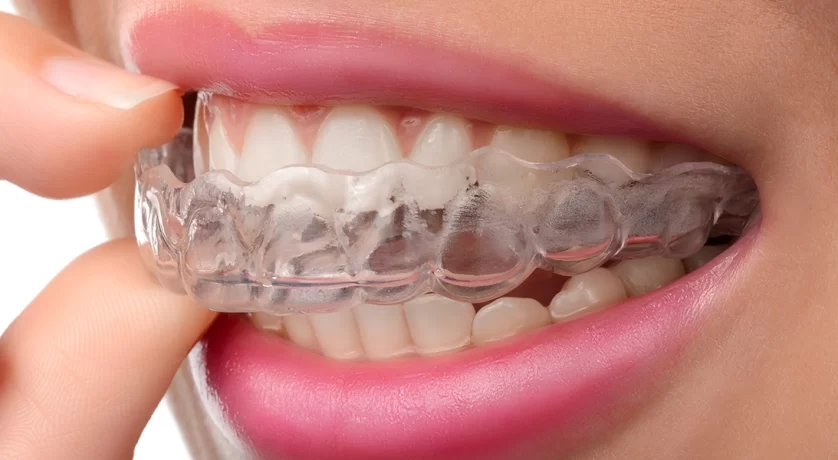
Invisalign uses a sequence of custom trays to move teeth gradually and with control. As the teeth shift, the way the bite meets can improve as well. Better occlusal alignment helps distribute force more evenly across the mouth, which can reduce excessive pressure on certain teeth and support more comfortable function.
This kind of bite correction matters because the bite influences more than appearance. When teeth meet more evenly, chewing often feels smoother, jaw movement may feel less strained, and the mouth can function in a more balanced way overall. For many cases involving mild to moderate crowding or spacing, clear aligners in Princeton, TX, offer a practical way to improve alignment without fixed brackets or wires.
Easier Cleaning and Reduced Plaque Buildup with Clear Aligners
One reason Invisalign stands out among modern orthodontic options is that the aligners are removable. That simple feature can make a noticeable difference in daily hygiene. Brushing and flossing can continue with fewer obstacles, and meals do not leave food trapped around brackets or wires.
Among the often-overlooked benefits of Invisalign is how much easier it can be to maintain consistent home care during treatment. Because the trays come out for brushing and flossing, patients can clean along the gumline and between teeth more normally, which helps limit plaque accumulation in areas that used to be hard to reach.
This matters even more when crowding has already made oral hygiene difficult. In those situations, clear aligner therapy fits naturally into the broader goal of protecting the gums and teeth while alignment improves.
How Invisalign Helps Prevent Gum Disease and Tooth Decay
When teeth are easier to clean, the mouth becomes easier to maintain. Better access for brushing and flossing can lower the amount of plaque that remains on the teeth each day. That does not guarantee perfect oral health, but it can improve the conditions that support healthier gums and cleaner tooth surfaces.
The straight teeth oral hygiene benefits are often most noticeable in areas that were once trapped plaque or food debris. As those spaces become easier to clean, the risk of irritation along the gums may decrease, and the mouth may be less likely to hold onto the kind of buildup that contributes to cavities and early gum disease.
This is one reason Invisalign treatment is often discussed in the same preventive conversation as routine exams, cleanings, and daily brushing habits. Better alignment does not replace preventive dental care, but it can support it in a meaningful way.
Impact of Straight Teeth on Jaw Function and Long-Term Comfort
Alignment affects more than the teeth themselves. It also influences how the jaw moves, how the bite feels during meals, and where force is applied when chewing. If a few teeth absorb too much pressure, the result may be discomfort, uneven wear, or strain that becomes more noticeable with time.
As teeth move into more balanced positions, some patients notice improved comfort during normal function. This does not mean every case of crooked teeth causes jaw problems, but better alignment can support healthier mechanics. In that sense, smile correction treatment is not limited to appearance. In the right case, it may improve comfort, function, and long-term stability at the same time.
Invisalign vs Traditional Braces: Oral Health Benefits Compared
Traditional braces remain an effective orthodontic tool, but they change the daily cleaning routine in important ways. Brackets and wires create more surfaces for plaque to collect, and cleaning around them takes added time and effort. For many patients, that can make hygiene more challenging during treatment.
By contrast, removable trays give Invisalign a different advantage. Because the aligners come out during brushing, flossing, and meals, oral care tends to feel more familiar and more manageable. Among current teeth straightening options, this flexibility is one reason aligners appeal to patients who want to improve alignment without adding as many hygiene obstacles.
Although Invisalign is often associated with appearance, its role within cosmetic dentistry, Princeton, TX, also overlaps with functional care. Some cosmetic dental solutions improve the look of the smile while also supporting better oral health, and this is one of the clearest examples.
When Should You Consider Invisalign Treatment in Princeton, TX?
Not every alignment concern needs the same approach, but certain patterns make Invisalign worth discussing. Crowded teeth, small spaces, mild to moderate bite issues, and uneven wear can all be signs that alignment is affecting function or hygiene. In teens and adults alike, treatment decisions depend on the health and alignment of the teeth, gums, and bite.
Because treatment is customized, Invisalign for adults and teens can address a wide range of mild to moderate concerns while fitting into everyday routines. A thorough orthodontic consultation helps determine whether aligners are appropriate and whether the goals involve appearance, comfort, bite balance, or all three.
Final Thoughts
Improving alignment is about more than creating a straighter smile. It can influence how easily the teeth are cleaned, how evenly the bite functions, and how comfortably the mouth works over time. When crowding, spacing, or bite imbalance begin affecting hygiene or wear patterns, Invisalign treatment in Princeton, TX may support both appearance and long-term oral health. In that way, Invisalign fits naturally among modern cosmetic dental solutions that also offer practical health benefits. At Hello Dental & Orthodontics, treatment planning focuses on function, comfort, and healthy results that last. If tooth pain is not improving or continues to return, scheduling a timely dental evaluation can help identify the cause and protect your long-term oral health.