
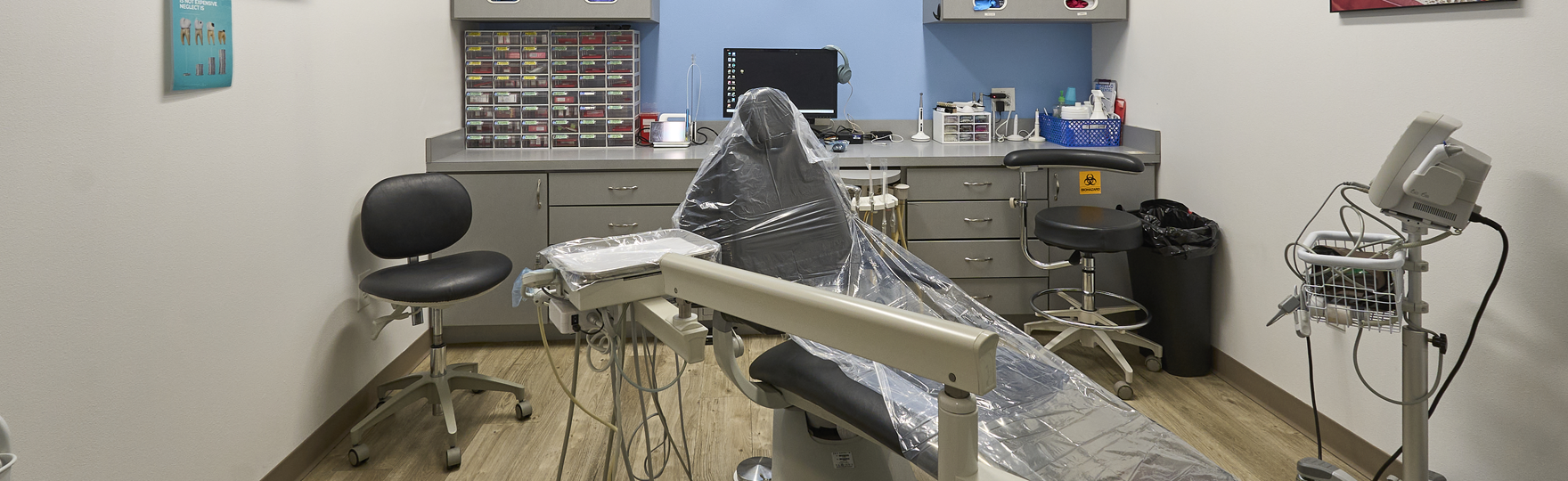
The Braces Adjustment Process: What Happens During Your Regular Appointments?
May 15, 2026Orthodontic care is a gradual process that focuses on improving the position of your teeth over time. While the initial placement of braces is an important step, ongoing care is just as essential. Regular appointments enable your orthodontist to monitor progress and ensure that your treatment remains on schedule.

Many patients feel unsure about what happens during a braces adjustment, especially in the early stages of treatment. Understanding the purpose and process of these visits can make the experience feel more predictable and manageable.
Why Adjustments Are An Important Part Of Treatment
Braces work by applying constant pressure to shift or move teeth into proper alignment. However, this pressure must be updated regularly to continue making progress safely and effectively.
The braces adjustment process plays a key role in:
- Maintaining steady tooth movement
- Preventing treatment delays
- Ensuring alignment follows the planned direction
- Identifying any issues early
Without regular updates, the forces applied by braces may become less effective over time. Adjustments help maintain the right level of pressure throughout treatment.
How Often You May Need To Visit
Patients are usually scheduled for follow-up visits every few weeks. These regular braces checkups give your orthodontist the opportunity to monitor changes and make necessary corrections.
The timing of your visits may depend on:
- The type of braces you have
- The stage of your treatment
- How your teeth are responding
- Any specific alignment concerns
Your provider will create a braces checkup schedule that fits your individual treatment plan.
What Happens During A Typical Appointment
During routine braces appointments, your orthodontist focuses on making small but important changes that support progress.
A typical visit may involve:
- Examining how your teeth have shifted
- Replacing or tightening the archwire
- Adjusting elastics or bands
- Checking brackets for damage or looseness
- Making minor corrections to improve alignment
These steps are part of the overall braces adjustment procedure, which is designed to keep your treatment moving in the right direction.
Types Of Adjustments You May Experience
Not every visit involves the same type of change. Depending on your progress, your orthodontist may perform different kinds of orthodontic adjustments.
These may include:
- Tightening wires to increase pressure
- Changing rubber bands to adjust bite alignment
- Repositioning brackets when needed
- Modifying wire thickness for better control
Each adjustment is carefully planned to support gradual and controlled tooth movement.
How Your Orthodontist Plans Each Adjustment
Before making any changes, your orthodontist evaluates your current progress. This helps determine what type of adjustment is needed.
Factors they may consider include:
- Tooth positioning and spacing
- Bite alignment
- Overall progress within the treatment plan
- Response to previous adjustments
This approach ensures that every step supports safe and effective orthodontic treatment.
What You May Feel After An Adjustment
After an adjustment, it is common to notice mild discomfort. This is a natural response as your teeth begin to shift again.
You may experience:
- Slight soreness for a few days
- Sensitivity when chewing
- A feeling of tightness in the braces
These effects are temporary and are a normal part of the metal braces adjustment process. Most patients find that any discomfort fades within a short period.
Caring For Your Braces Between Visits
Taking care of your braces between visits is important for maintaining progress and preventing complications.
Helpful habits include:
- Brushing carefully around brackets and wires
- Using flossing tools designed for braces
- Avoiding sticky or hard foods
- Following instructions for elastics
Good care supports healthy gums and helps maintain proper dental alignment throughout treatment.
How Adjustments Support Long-Term Results
Each adjustment builds on the progress made during previous visits. Over time, these small changes lead to noticeable improvements in your smile.
The braces adjustment timeline is designed to:
- Guide teeth into the proper position gradually
- Improve bite function
- Support long-term stability
- Reduce the risk of shifting after treatment
Staying consistent with your appointments plays a major role in achieving successful results.
Ready For Your Next Braces Adjustment? Schedule Your Appointment Today!
Keeping your appointment calendar organized is one of the best strategies for staying on top of your orthodontic treatment. Hello Dental & Orthodontics offers patient-centered assistance to support you through every phase of your care.
As you get ready for your upcoming orthodontic visit, being consistent with your treatment can promote continuous progress and create a more seamless experience.
Frequently Asked Questions
Appointments typically have a duration ranging from 20 to 40 minutes, depending on the specific changes required.
It's important to note that slight looseness of the teeth can happen as they shift into new positions during the adjustment process. This is a normal part of realignment and indicates that the teeth are moving as intended.
It's essential to schedule regular visits, even when everything seems to be going well. These appointments help ensure consistent progress and prevent potential delays.
To maintain dental health, it is advisable to limit the consumption of hard, crunchy, or sticky foods, particularly if you experience tooth sensitivity.
Timely adjustments play a crucial role in sustaining consistent pressure, which in turn facilitates efficient movement.