
How Invisalign Is Transforming Smiles in Princeton, TX?
May 27, 2026Clear aligner therapy has changed how many patients approach orthodontic care. Instead of using traditional metal brackets and wires, Invisalign employs removable aligner trays that gradually shift teeth into their desired positions. Many adults and teens searching for an Invisalign dentist near me are looking for a discreet way to improve alignment while maintaining comfort and flexibility. Understanding how treatment works, who qualifies, and what results are realistic can help patients make informed decisions about their smile.
Why Clear Aligners Appeal to Many Patients?
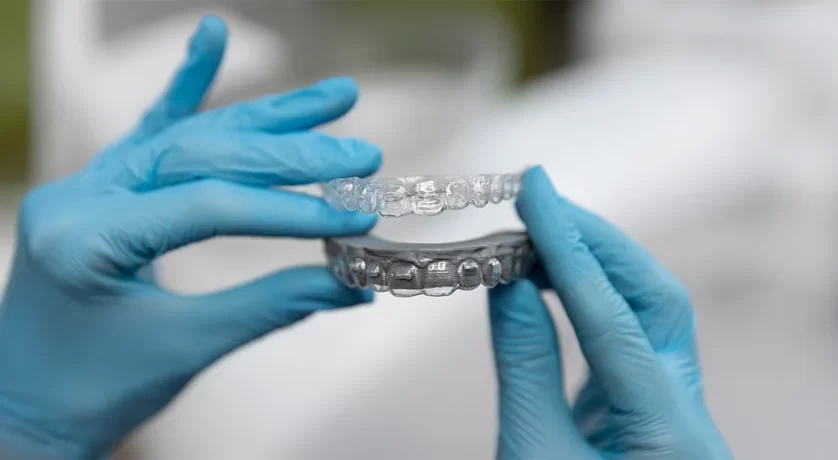
Traditional braces remain effective, but clear aligners offer an alternative for mild to moderate alignment concerns. Invisalign trays are made from medical-grade plastic and designed to fit precisely over the teeth.
Patients often choose clear braces treatment because:
- The trays are nearly invisible
- They can be taken off for eating and brushing
- There are no metal wires to adjust
- Fewer in-office visits may be required
However, successful treatment depends on consistent wear and proper monitoring.
How Invisalign Moves Teeth?
Tooth movement occurs through controlled pressure. Each aligner tray is slightly different from the previous one. Over time, these small adjustments guide teeth into improved positions.
The process typically involves:
- Digital scanning or impressions
- Computer-guided treatment planning
- A series of custom aligners
- Periodic progress evaluations
Unlike braces that apply continuous force, aligners are changed every one to two weeks. This staged progression allows gradual and predictable movement.
Conditions Invisalign Can Address
Clear aligners are commonly used to treat:
- Mild crowding
- Gaps between teeth
- Minor bite misalignment
- Relapse after previous orthodontic treatment
Severe bite issues may require alternative orthodontic approaches. A comprehensive evaluation determines suitability.
A dentist in Princeton, TX will assess:
- Tooth position
- Jaw alignment
- Gum health
- Bone support
- Overall oral health
Orthodontic treatment should only begin after ensuring the teeth and gums are stable.
What Treatment Feels Like?
Patients often describe mild pressure when switching to a new set of aligners. This sensation indicates that movement is occurring. Discomfort typically resolves within a few days.
Common temporary effects include:
- Slight soreness
- Increased saliva initially
- Minor speech adjustment during early wear
These effects usually diminish as the mouth adapts.
Unlike braces, aligners do not involve tightening appointments, but follow-up visits remain important to monitor progress.
The Importance of Consistent Wear
Invisalign trays must be worn approximately 20 to 22 hours per day to be effective. Removing them for long periods can delay progress and affect final results.
Successful outcomes depend on:
- Wearing aligners as directed
- Keeping trays clean
- Attending scheduled monitoring visits
- Following instructions regarding attachments or elastics if prescribed
Patient participation plays a significant role in treatment success.
Oral Hygiene During Invisalign Treatment
One advantage of removable aligners is improved access for cleaning. Because trays can be removed, brushing and flossing routines remain unchanged.
Patients are encouraged to:
- Brush before reinserting aligners
- Clean trays with recommended solutions
- Avoid eating while wearing aligners
- Maintain regular dental checkups
Good hygiene prevents plaque buildup and supports healthy gum tissue during treatment.
How Long Does Treatment Take?
Treatment length varies depending on complexity. Mild alignment cases may take several months, while more involved cases can extend beyond a year.
Factors influencing the timeline include:
- Degree of crowding or spacing
- Bite correction needs
- Patient compliance
- Biological response to tooth movement
Periodic reassessment ensures that progress remains on track.
Realistic Expectations and Limitations
Invisalign can significantly improve alignment, but it may not correct every orthodontic concern. Patients should understand:
- Perfection is not always the clinical goal
- Retainers are necessary after treatment
- Teeth can shift if retention is not maintained
- Age-related changes may occur over time
Orthodontic care focuses on improving function and alignment, not achieving unrealistic cosmetic ideals.
Is Invisalign Safe?
When properly planned and monitored, Invisalign is considered a safe orthodontic method. Tooth movement is guided within biological limits. Overly aggressive movement is avoided through structured staging.
Patients with active gum disease, untreated cavities, or insufficient bone support may require treatment before beginning aligner therapy.
At Hello Dental, Invisalign consultations include a full evaluation and discussion of risks, benefits, and expectations before starting treatment.
Taking the Next Step Toward Straighter Teeth
Clear aligners provide an option for patients seeking discreet orthodontic care. A consultation allows for assessment of candidacy and development of a personalized treatment plan.
If you are considering Invisalign, scheduling an evaluation makes sure your teeth and gums are healthy enough to begin treatment and allows for realistic goal setting.