

Complete Guide to Dental Crowns: Cost, Procedure & Recovery in Princeton, TX
January 7, 2026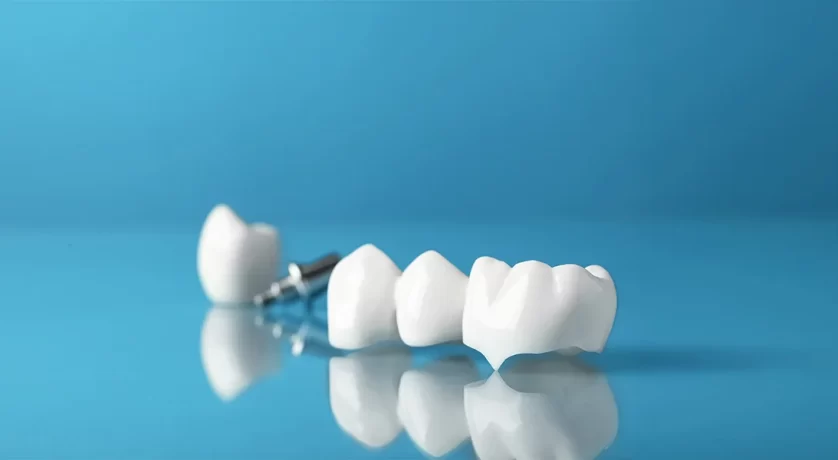
Teeth can lose strength over time due to decay, fractures, or previous dental treatment. When this occurs, a dentist evaluates whether the remaining tooth structure can continue to withstand normal chewing forces. If the risk of further damage is high, a crown may be considered to protect the tooth and maintain oral function.
What Are Dental Crowns & When Are They Needed
A dental crown is a protective restoration placed over a tooth to reinforce structure and restore function. A dentist recommends a crown when a tooth can no longer tolerate biting pressure without additional support.
Situations that may lead to this recommendation include advanced decay, cracks that weaken the tooth, teeth treated with root canal therapy, or severe wear. Patients often ask why get a crown instead of another filling when the remaining tooth structure is limited. The dentist answers this by examining how much stable tooth structure remains and whether partial repair would increase fracture risk.
Types of Dental Crowns (Ceramic, Porcelain, Same-Day)
Crown material is selected after the dentist evaluates tooth position, bite forces, and appearance requirements. Available options may include ceramic, porcelain-based, or same-day crowns fabricated after digital assessment.
For visible teeth, a porcelain crown may be used to restore appearance while maintaining function. For areas exposed to higher chewing pressure, the dentist may recommend materials designed to tolerate greater load. Each option is discussed so patients understand how material choice affects durability and performance.
Step-by-Step Crown Procedure Explained
The crown process begins with a focused examination of the tooth and surrounding tissues. The dentist removes compromised areas and reshapes the tooth to create a stable foundation for the restoration.
Next, impressions or digital scans are taken to ensure accurate fabrication. Patients often ask the dentist to explain the timing and sequence of crown placement. The dentist places a temporary crown when needed and later secures the final restoration once alignment is verified. These crown placement steps help stabilize the tooth and reduce excess pressure during early adjustment.
Cost Breakdown for Dental Crowns in Princeton
The dental crown cost depends on several clinical factors, including tooth condition, material selection, and whether preparatory treatment is required. A dentist reviews diagnostic findings to explain which steps are necessary and how they influence overall cost.
Insurance considerations are addressed before treatment begins so patients understand coverage limits and financial responsibility. Reviewing the treatment sequence in advance helps coordinate crown appointments without delay. The practice also lists extended scheduling options, which may help patients coordinate crown visits outside a standard weekday routine.
What to Expect After Your Crown Procedure
After placement, the dentist checks bite contact and overall comfort. Mild sensitivity may occur as the tooth adapts, particularly during chewing.
During the first few days after crown placement, patients may notice sensitivity to chewing pressure or temperature changes. Follow-up evaluation allows the dentist to confirm stability and ensure surrounding gum tissue remains healthy.
Tips for Long-Lasting Crown Care
A crowned tooth requires consistent daily care. The dentist instructs patients to brush and floss thoroughly and avoid habits that place excessive pressure on restorations.
Proper dental crown maintenance supports both the crown and the underlying tooth. During routine visits, the dentist evaluates wear patterns, gum response, and bite balance to detect changes early.
FAQs About Dental Crowns
A dentist checks bite contact and crown margins, then adjusts the crown if chewing pressure feels uneven. Most patients find the crown blends into normal function once bite balance is confirmed.
A dentist examines crown edges, gum response, and bite contact to look for early wear or loosening. These checks help identify changes before discomfort develops.
Patients should report persistent bite discomfort, pressure-related pain, or ongoing sensitivity. This information allows the dentist to reassess crown fit and protect the supporting tooth. These questions are commonly addressed during routine crown evaluations.
Final Thought
Crowns are used when teeth require structural reinforcement to remain functional. A dentist determines the need for a crown by examining damage, planning placement based on bite mechanics, and monitoring the tooth after restoration. Hello Dental provides crown care for patients seeking treatment from a dentist in Princeton, TX.