
Full Dentures vs Partial Dentures: What Patients Should Know?
June 20, 2026Losing one tooth changes more than your smile. Losing several can affect the way you chew, speak, and even how your face is supported over time. At first, it may seem that every denture serves the same purpose. In reality, the right choice depends on factors such as your remaining natural teeth, gum health, and overall oral condition. If you're exploring dentures in Princeton, TX, understanding the difference between full and partial dentures can make your consultation far less overwhelming. A clear understanding of your options allows you to make a confident choice that promotes comfort, better function, and long-term oral health.
Understanding Dentures and Their Purpose
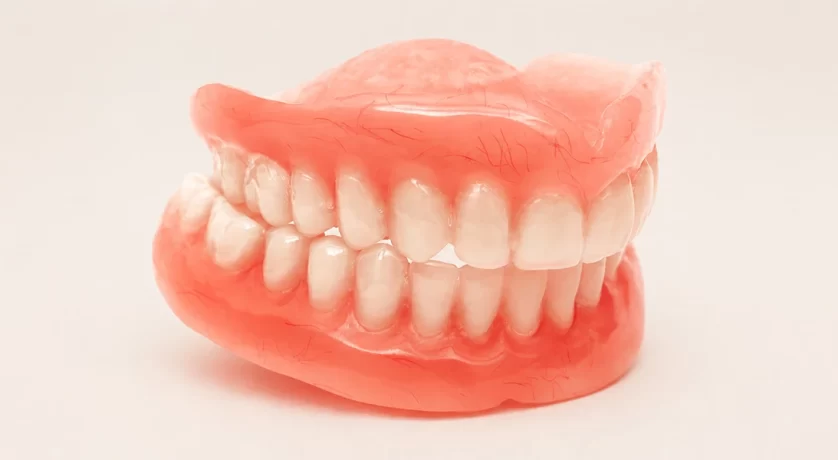
Dentures are removable prosthetic appliances designed to replace missing teeth and restore everyday oral function. Modern designs are created from detailed dental impressions, allowing the prosthesis to match the shape of the gums and surrounding tissues as closely as possible.
Replacing lost teeth helps improve:
- Chewing efficiency
- Clear speech
- Facial support
- Bite balance
- Everyday confidence
Tooth replacement is also an important part of oral rehabilitation because prolonged tooth loss may contribute to gradual changes in the alveolar ridge and surrounding jawbone support.
When Full Dentures Are Recommended for Complete Tooth Loss
When every tooth in the upper or lower dental arch is missing, a dentist may recommend full dentures. This often happens after severe tooth decay, advanced periodontal disease, trauma, or other conditions associated with edentulism.
The prosthesis rests directly on the oral mucosa and gum tissue while following the natural shape of the jaw.
Your dentist may recommend complete dentures when:
- Every tooth in an arch requires removal.
- Existing teeth cannot be restored predictably.
- Oral tissues have healed after extractions.
- A comprehensive restoration plan is appropriate.
Each appliance includes a denture base that supports lifelike artificial teeth designed to restore appearance and function.
When Partial Dentures Fill the Gaps Between Healthy Teeth
Not every patient experiencing tooth loss needs a complete prosthesis. When healthy natural teeth remain, partial dentures provide an effective solution by filling spaces while preserving the existing dentition.
A removable partial denture usually attaches securely around nearby teeth for additional support and stability.
Situations where this option may be appropriate include:
- Several teeth are absent.
- The remaining teeth are healthy enough for support.
- Fixed alternatives are not preferred.
- Future treatment flexibility is desired.
Some patients searching for “denture services near me” discover that preserving healthy teeth with a partial appliance offers an excellent balance between function and conservation.
How Remaining Teeth Influence Treatment Decisions
The number and condition of natural teeth play a major role when selecting a treatment approach.
During your examination, the dentist evaluates:
- Gum health
- Bone support
- Bite alignment
- Tooth stability
- Overall chewing pattern
Strong natural teeth often help support a partial denture, while complete tooth loss generally requires a full prosthesis.
In some situations, additional restorative dentistry may be recommended before dentures are fabricated to improve long-term success.
Comfort, Fit, and Stability: What Patients Can Expect
Comfort depends on far more than simply wearing dentures. Proper design, careful measurements, and accurate fitting all influence how natural they feel.
Generally:
- Full dentures rely primarily on close adaptation to the gums and surrounding anatomy.
- Partial dentures gain additional stability from remaining teeth.
- Minor adjustments are common during the first weeks.
- Muscles gradually adapt as speaking and eating become more comfortable.
Many patients require a denture adjustment shortly after delivery because even well-made appliances may need small refinements as tissues adapt.
Modern custom dentures are created with precision to improve comfort while maintaining a natural appearance.
Restoring Everyday Function Beyond Appearance
Replacing lost teeth is about much more than aesthetics.
Dentures help improve:
- Bite function during meals
- Chewing function for various foods
- Clearer speech becomes easier as the dentures support proper tongue and lip movement
- Facial structure helps maintain lip and cheek support
Without replacement, missing teeth may contribute to facial collapse over time as supporting structures gradually change.
For many adults, replacing lost teeth supports both nutrition and overall quality of life.
Cleaning and Maintenance Differences
Proper maintenance helps dentures remain comfortable and functional.
For full dentures:
- Remove daily for cleaning.
- Brush using products designed for dentures.
- Soak overnight when instructed.
- Clean gums gently before reinsertion.
For partial dentures:
- Remove before cleaning.
- Carefully brush around natural teeth.
- Floss remaining teeth every day.
- Clean metal or acrylic components thoroughly.
Good oral hygiene remains essential because natural teeth supporting a partial denture still require regular preventive care.
Although appliances are durable, accidents happen. If cracks, fractures, or looseness occur, professional denture repair is much safer than attempting repairs at home.
Why a Professional Consultation Matters
Every smile is different.
Before recommending treatment, your dentist carefully evaluates:
- Oral tissues
- Jaw relationships
- Existing restorations
- Bone levels
- Medical history
- Personal goals
Advanced planning ensures the prosthesis provides long-term comfort rather than simply replacing teeth.
Depending on your needs, other options such as dental implants or dental bridges may also be discussed alongside removable solutions.
The goal is always to select the most appropriate approach for missing teeth replacement, not simply replacing what has been lost.
Expert Insight
No single denture design works best for everyone.
Successful treatment depends on:
- Accurate diagnosis
- Precise dental impressions
- Careful laboratory fabrication
- Follow-up adjustments
- Routine dental examinations
According to the American College of Prosthodontists, millions of adults in the United States live with complete tooth loss, and many more experience partial tooth loss, making individualized treatment planning an important part of modern dental care.
Practical Takeaways
If you’re considering dentures, remember these key points:
- Full dentures replace every tooth within one dental arch.
- Partial dentures preserve healthy remaining teeth.
- Proper fit improves comfort and stability.
- Daily cleaning protects oral tissues and existing teeth.
- Professional adjustments improve long-term function.
- Regular visits to a dentist help extend the lifespan of appliances.
Final Thoughts
Choosing between full and partial dentures is a highly individual decision based on your oral health, remaining teeth, and personal goals. A thorough examination helps determine which option offers the best combination of comfort, stability, and long-term function. If you’re considering dentures in Princeton, TX, the dental team at Hello Dental & Orthodontics provides comprehensive evaluations and personalized guidance to help patients make informed treatment decisions.
Frequently Asked Questions
The answer depends on how many healthy teeth remain and whether they can continue supporting your bite. A comprehensive examination determines the most appropriate option.
Most people need a short adjustment period. Comfort improves as oral tissues and muscles adapt, especially after necessary adjustments.
Most patients gradually return to a varied diet, starting with softer foods and progressing as their confidence improves.
While durable, dentures eventually wear and may require relining, adjustment, or replacement because oral tissues naturally change over time.
Yes. Replacing missing teeth often improves pronunciation, although speaking clearly may require brief practice during the adjustment period.