
Tooth Extraction Aftercare: Healing Tips for Patients
August 10, 2026You walk out of the dental office relieved that the troublesome tooth is finally gone. Then, as the local anesthesia begins to wear off, a new question takes over: Am I doing everything right to heal properly? Recovery after an extraction is usually straightforward, but the first few days matter more than many people realize. The choices you make, what you eat, how you clean your mouth, and even whether you use a straw, can affect healing. For anyone recovering from a tooth extraction in Princeton, TX, proper aftercare is an important part of healing.
How to Control Bleeding During the First Few Hours After Extraction
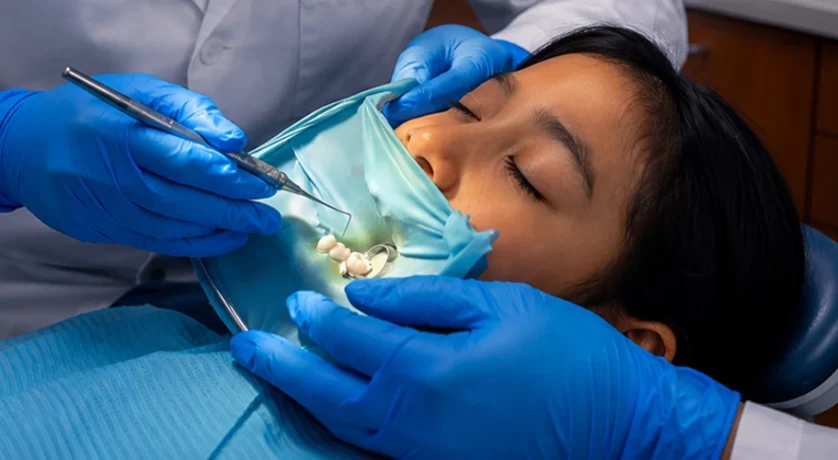
Immediately after a dental extraction, your body begins repairing the empty alveolar socket by forming a protective blood clot. This clot acts as a natural barrier over the surgical site and is essential for proper oral wound healing.
Some light oozing during the first several hours is completely normal. To help control postoperative bleeding, follow these steps:
- Keep steady, gentle pressure on the gauze by biting down for 30 to 45 minutes.
- Replace the gauze only if your dentist recommends it.
- Keep your head elevated while resting.
- Avoid vigorous spitting or rinsing.
- Take it easy and avoid vigorous exercise until the following day.
A small amount of blood mixed with saliva may make the bleeding appear heavier than it really is. However, if bright-red bleeding persists despite applying firm pressure for several hours, contact your dental office.
Expert Insight: Protecting the initial blood clot is one of the most important steps in successful socket healing. Disturbing it too early can delay recovery.
Why Avoiding Straws Helps Reduce the Risk of Dry Socket
One complication patients often hear about is alveolar osteitis, better known as dry socket. Although it does not occur after every extraction, it can be quite uncomfortable.
Dry socket develops when the protective clot either dissolves too early or becomes dislodged, exposing the underlying bone and nerve endings.
Using a straw creates suction inside the mouth that may loosen this clot before healing is established. For the same reason, dentists also recommend avoiding:
- Smoking or vaping
- Forceful mouth rinsing
- Frequent spitting
- Drinking carbonated beverages immediately after surgery
Dry socket usually causes worsening pain two to four days after the procedure rather than gradual improvement. Following simple aftercare instructions significantly lowers the likelihood of this complication.
What Soft Foods Are Safer During the First 24 Hours?
Your mouth needs nourishment as the surrounding gingival tissue begins to repair itself. Choosing soft foods helps prevent unnecessary pressure on the extraction site and makes eating more comfortable.
Recommended foods include:
- Yogurt
- Applesauce
- Mashed potatoes
- Smooth oatmeal
- Cottage cheese
- Scrambled eggs
- Soft pasta
- Lukewarm blended soups
- Smoothies with a spoon instead of a straw
Keeping yourself well hydrated by drinking enough water can support the healing process.
Foods to avoid include:
- Crunchy snacks
- Popcorn
- Seeds
- Sticky candy
- Hard bread
- Spicy meals
- Extremely hot foods or drinks
Small food particles trapped inside a healing socket can increase irritation and make cleaning more difficult, especially after a wisdom tooth extraction.
How to Manage Swelling, Soreness, and Jaw Discomfort at Home
Swelling is part of the body’s natural inflammation process. In most cases, swelling increases during the first 24 to 48 hours, then gradually improves.
Simple home care measures can help you stay comfortable throughout tooth extraction aftercare.
A helpful recovery routine includes:
- Place a cold compress against your cheek for 15 to 20 minutes at a time during the first 24 hours.
- Take prescribed or recommended analgesics exactly as directed.
- Rest and avoid strenuous activities.
- Sleep with your head slightly elevated.
- Drink plenty of fluids throughout the day.
Some jaw stiffness is also common during recovery after oral surgery, particularly following the removal of impacted teeth. Gentle movement generally returns as healing progresses.
The American Dental Association notes that mild soreness and swelling are common after an extraction and typically improve as healing progresses.
Why Brushing Near the Extraction Site Should Be Done With Care
Keeping your mouth clean remains important because oral bacteria naturally live inside the mouth. Careful oral hygiene helps protect the healing area by limiting bacterial buildup that could lead to infection.
Continue brushing your remaining teeth as usual, but avoid brushing directly over the extraction site during the first 24 hours.
When advised by your dentist, use a warm salt water rinse after meals to help keep the area clean without disturbing the healing site.
Proper oral hygiene supports:
- Soft tissue healing
- Healthy gum tissue recovery
- Reduced bacterial buildup
- Improved socket healing
Avoid alcohol-based mouth rinses unless specifically instructed because they may irritate delicate tissues during the early healing phase.
Warning Signs After Extraction That May Need a Visit to a Dentist
Although most patients recover without complications, certain symptoms should never be ignored.
Contact your dentist if you notice:
- Heavy bleeding that does not slow after firm pressure
- Severe pain that worsens after two or three days
- Fever or chills
- Increasing swelling after the second day
- Pus or foul-smelling drainage
- Difficulty swallowing or breathing
- Persistent bad taste that does not improve
If you notice any of these symptoms, contact your dentist, as they could indicate an infection or another complication.
Patients searching for “tooth extraction services near me” should also choose a provider who offers clear postoperative guidance and accessible follow-up care should concerns arise.
How Follow-Up Care Supports Proper Socket Healing
Healing continues long after the first week. Beneath the surface, the socket gradually fills with new tissue while bone remodeling strengthens the area where the tooth once sat.
A follow-up appointment allows your dentist to evaluate:
- Blood clot stability
- Soft tissue healing
- Signs of infection
- Overall recovery
- Readiness for future restorative treatment if needed
Whether your procedure involved a routine removal or more advanced dental extraction treatment, follow-up visits help confirm that healing is progressing normally.
They also provide an opportunity to answer questions about eating, brushing, physical activity, or replacing the missing tooth.
Key Takeaways for a Comfortable Recovery
Healing after a tooth extraction in Princeton, TX, depends on protecting the blood clot, maintaining good oral hygiene, eating soft foods, and recognizing symptoms that warrant professional attention. Most recoveries progress smoothly when patients carefully follow their dentist’s instructions during the first several days.
If you have concerns about healing or need guidance during recovery, the experienced team at Hello Dental & Orthodontics can evaluate your extraction site, monitor your progress, and help you recover comfortably while protecting your long-term oral health.
Frequently Asked Questions
Most gum tissue heals within one to two weeks, while complete bone healing continues for several months.
Yes. Brush the remaining teeth normally, but avoid direct brushing over the extraction site until your dentist advises otherwise.
Avoid smoking, straws, forceful rinsing, and any activity that may dislodge the blood clot during the first few days.
Yes. Mild swelling is expected and usually peaks within 48 hours, then gradually improves.
Seek professional care if you experience persistent heavy bleeding, worsening pain, fever, pus, increasing swelling, or difficulty swallowing or breathing.