
What Is The Process For Replacing An Old Dental Bridge?
May 10, 2026A dental bridge is a reliable solution used to reinstate missing teeth and improve oral function. Over time, however, even well-made restorations may need attention or replacement. Understanding the process of replacing dental bridge restorations can help you feel more prepared and confident about your treatment.
What A Dental Bridge Does And Why Replacement May Be Needed
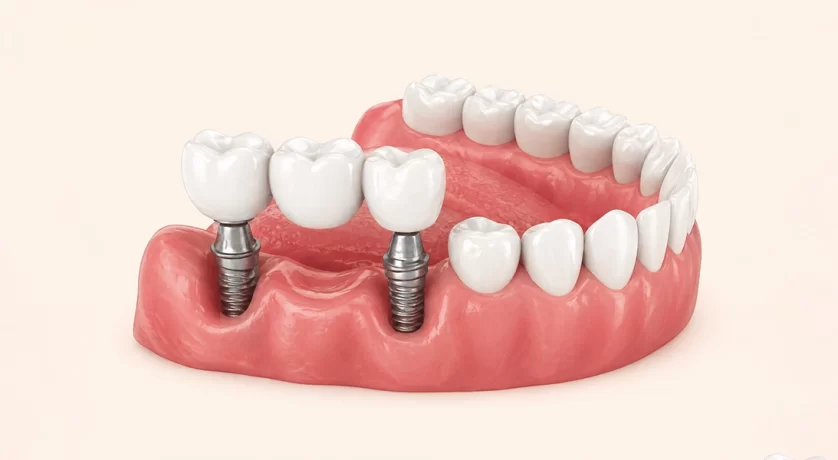
A dental bridge is a conservative dental prosthesis intended to substitute for one or more lost teeth by securing it to neighboring natural teeth or implants. It restores chewing ability, supports facial structure, and improves the appearance of your smile.
There are several reasons why a dental bridge replacement may become necessary. Common causes include:
- Wear and tear over time
- Damage such as cracks or fractures
- Decay in supporting teeth
- Changes in bite alignment
- Gum or bone health concerns
When these issues arise, replacing a bridge helps maintain both function and oral health.
Signs It May Be Time To Replace Your Bridge
Not all bridges need replacement immediately, but certain signs should not be ignored. Recognizing these signs can assist you in tackling issues promptly.
You may need an old dental bridge replacement if you notice:
- Looseness or movement in the bridge
- Discomfort or pain when chewing
- Visible damage or wear
- Gum irritation around the bridge
- Changes in how your teeth fit together
If any of these symptoms occur, a dental evaluation is recommended to determine the next steps.
Step-By-Step Overview Of The Replacement Process
Understanding the steps involved in the dental bridge replacement process can make the experience feel more manageable.
Initial Examination And Planning
Your dentist begins by examining your current bridge and surrounding teeth. X-rays or scans may be used to evaluate the supporting structures and plan treatment.
Removal Of The Existing Bridge
The old restoration is carefully removed. If the supporting teeth are healthy, they may be prepared again. If not, additional treatment may be required.
Preparation Of Supporting Teeth Or Implants
Depending on your situation, the dentist may reshape adjacent teeth or evaluate implant-supported options for better stability.
Temporary Restoration Placement
A provisional bridge is typically installed to safeguard your teeth while the permanent restoration is being made.
Final Placement And Adjustment
Once ready, the new bridge is fitted, adjusted, and secured. Your dentist ensures proper alignment and comfort before completing the procedure.
How Long Does the Replacement Process Typically Take
The timeline for replacing a bridge can vary depending on the condition of your teeth and the type of restoration chosen.
In most cases:
- Initial visit and preparation: 1 appointment
- Temporary bridge period: 1 to 2 weeks
- Final placement: 1 appointment
If further procedures such as tooth extraction or implant placement are needed, the timeline may extend.
Types Of Bridges Used In Replacement
When replacing a bridge, your dentist may recommend different tooth replacement options based on your needs.
Common types include:
- Traditional bridges supported by crowns
- Cantilever bridges are used when support is available on one side
- Maryland bridges with minimal tooth preparation
- Implant-supported bridges for added stability
Each option has its own benefits, and your dentist will help determine which is most appropriate for your case.
Why Choosing The Right Provider Matters
The success of your treatment depends on proper planning and execution. A skilled provider understands both the functional and aesthetic aspects of bridge restoration.
When selecting a provider, consider:
- Experience with restorative procedures
- Use of modern techniques and materials
- Ability to create natural-looking results
- Focus on patient comfort and communication
If you are looking for a dentist in Princeton, TX, choosing someone with experience in crown and bridge procedures can support better long-term outcomes.
What To Expect After Your New Bridge Is Placed
After your new bridge is secured, it may take a short period to adjust. Mild sensitivity or awareness is normal in the beginning.
You may experience:
- Slight pressure when biting
- Temporary sensitivity to temperature
- Adjustment to the feel of the new restoration
These symptoms typically improve within a few days as your mouth adapts.
Caring For Your Bridge To Maintain Results
Proper care performs an important role in maintaining your bridge and supporting oral health.
Helpful care tips include:
- Brushing twice daily with a soft-bristle toothbrush
- Flossing carefully around the bridge
- Using specialized tools for cleaning under the bridge
- Attending regular dental check-ups
Good maintenance helps extend the life of your restoration and reduces the risk of complications.
Ready For A New Smile? Book Your Consultation Today!
Replacing a dental bridge is a step toward restoring comfort and function. Hello Dental & Orthodontics provides patient-focused care to guide you through each stage of treatment.
If you are considering a dental bridge procedure near you, a consultation can help you understand your options and plan your next steps with confidence.
Frequently Asked Questions
A dental bridge can remain for many years with the right care, though its lifespan varies based on oral hygiene and daily habits.
The majority of patients feel only slight unease since the procedure is conducted with proper care and techniques.
Minor issues may be repaired, but significant damage often requires full replacement.
Not always. Implants are one option, but traditional bridges may still be suitable depending on your case.
You can usually eat soft foods shortly after placement, but your dentist will provide specific guidance.