
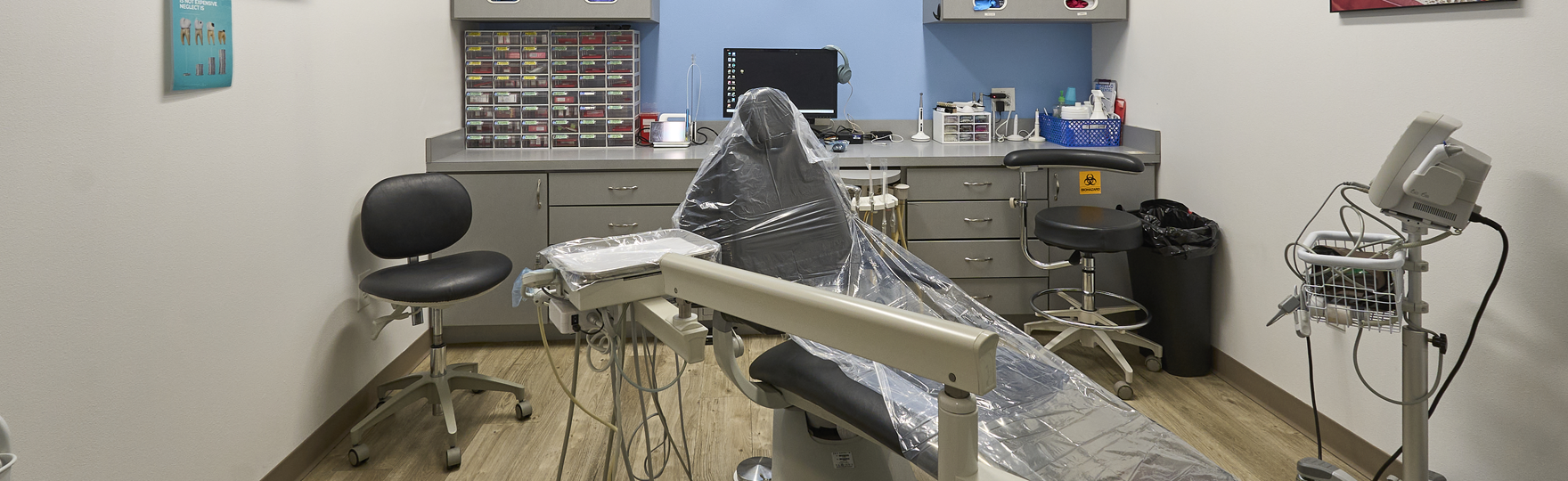
What to Expect During Your First Visit at Hello Dental Princeton?
February 5, 2026
This article explains how dentists structure an initial visit, what information is reviewed, and how findings are discussed. The first visit also allows the dentist to observe patterns that are not always visible during a single exam, such as early wear or inflammation trends. Establishing this baseline helps guide future evaluations and reduces the likelihood of missed concerns over time.
Before Your Appointment: How to Prepare?
Before the appointment, the dentist reviews any available medical or dental information provided in advance. Patients are typically asked to bring a list of medications, previous dental records if available, and note any symptoms such as pain, sensitivity, or bleeding.
Preparing this information allows the dentist to assess risk factors, identify conditions that may affect oral health, and plan an examination that addresses the patient’s concerns efficiently.
Accurate information helps the dentist focus the exam on areas of higher risk. This preparation supports more efficient use of appointment time and allows concerns to be addressed without unnecessary repetition.
Check-In & Paperwork Tips
At check-in, patients complete forms related to medical history, dental history, and consent. The dentist relies on this information to identify conditions such as diabetes, heart disease, or medication use that may influence examination findings or treatment planning.
Accurate paperwork helps the dentist evaluate oral health within the context of overall health and avoid overlooking factors that affect diagnosis or healing.
When details are incomplete or unclear, dentists may need to delay certain assessments until clarification is obtained. Completing forms carefully supports accurate diagnosis and reduces the chance of treatment decisions being revisited later.
Initial Exam & X-Rays Explained
The initial examination begins with a visual and tactile assessment of the teeth, gums, bite, and oral tissues. The dentist looks for decay, gum inflammation, wear patterns, and signs of infection.
Dentists use examination findings and imaging together rather than in isolation. This combined approach helps distinguish between surface changes and deeper conditions that may not yet cause symptoms.
When necessary, the dentist uses X-rays to examine areas below the surface of the teeth and gums. These images support a dental exam in Princeton, TX, by allowing the dentist to assess bone levels, tooth roots, and existing restorations.
Discussing Your Dental History & Goals
After the examination, the dentist reviews findings alongside the patient’s dental history. This discussion may include past treatments, previous discomfort, or changes the patient has noticed.
During this dental consultation, the dentist clarifies priorities such as pain management, preventive care, or long-term maintenance. The goal is to align clinical findings with the patient’s expectations and concerns.
This discussion helps the dentist understand how past dental experiences may influence current preferences. Recognizing these factors supports communication and helps prevent misunderstandings during future care.
How Treatment Options Are Presented?
When treatment is needed, the dentist explains the diagnosis and outlines the appropriate next steps. Each option is presented based on clinical necessity, sequence of care, and potential outcomes.
Rather than recommending immediate intervention, the dentist explains treatment options by outlining why a procedure may be indicated, what it addresses, and when it should be considered.
Dentists may also explain which findings require monitoring rather than immediate treatment. This distinction helps patients understand that not all conditions progress at the same rate or require intervention right away.
Meeting the Dental Team & Atmosphere
During the visit, patients interact with clinical staff who assist with examinations, imaging, and documentation. The dentist coordinates care with the team to ensure information is accurately recorded, and follow-up needs are identified.
Understanding who performs each role helps patients know what to expect during future visits and how communication flows during care.
Clear role coordination within the team supports accurate record-keeping and consistent follow-up. This structure allows the dentist to review information efficiently and maintain continuity across visits.
Tips to Make Your First Visit Comfortable
Discomfort during a first visit is often related to uncertainty rather than the examination itself. Dentists encourage patients to mention anxiety, sensitivity, or previous negative experiences before the exam begins.
Physical comfort is also influenced by how examinations are paced. Dentists may pause between steps or adjust positioning to reduce strain, especially for patients with neck, jaw, or back concerns.
When patients share these concerns, the dentist can adjust the pace of the exam, explain each step, and help reduce anxiety.
Final Thought
A first visit establishes how a dentist evaluates oral health, documents findings, and plans care over time. Rather than focusing on procedures, the appointment is designed to collect information and identify priorities. Hello Dental structures initial visits so patients meet a dentist in Princeton, TX, with a clear understanding of their oral health status and the reasoning behind future recommendations.