
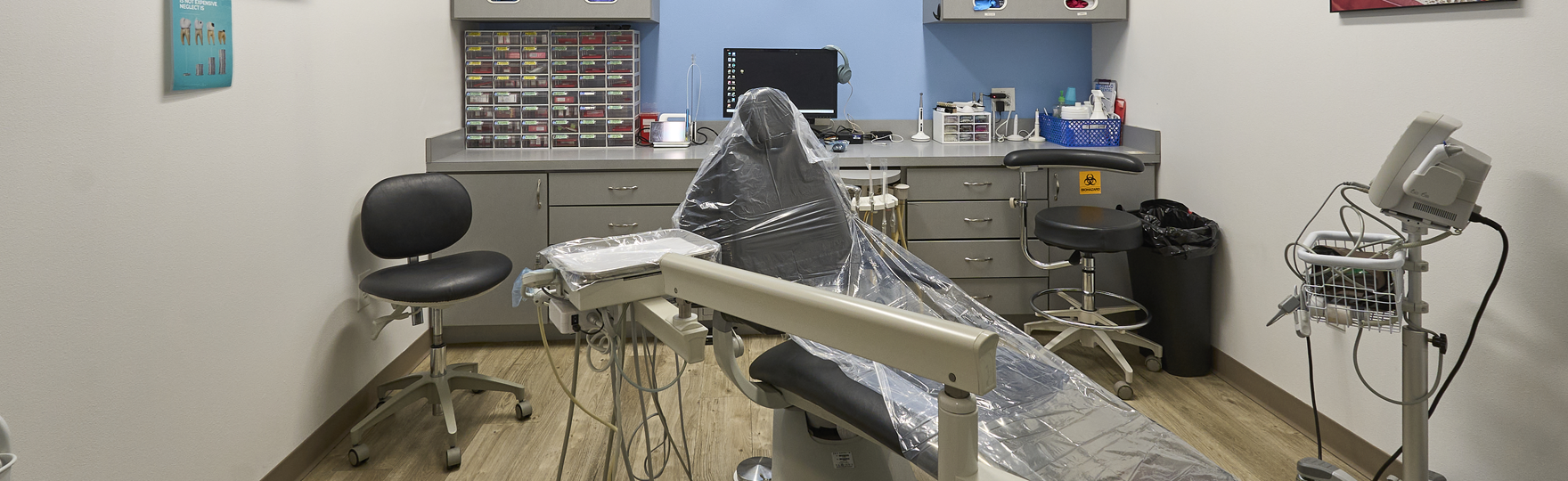
How To Choose The Right Dentist For Your Dental Bonding Procedure?
May 5, 2026A self-assured grin can leave a memorable impact, and procedures such as dental bonding provide an easy solution to enhance the look of chipped, stained, or irregular teeth. While the procedure itself is straightforward, the results depend heavily on the skill and approach of the provider you choose. Knowing what to look for can help you feel more confident about your decision.

What Dental Bonding Involves And How It Works
Dental bonding is a procedure under cosmetic dentistry that entails applying a tooth-colored resin to enhance or fix a tooth’s form and look. During this treatment, the resin is carefully applied and shaped to match the natural contours of the tooth, and then hardened using a special light. This technique enables dentists to enhance the tooth’s aesthetics while preserving much of its natural structure.
As a key component of contemporary cosmetic dentistry, dental bonding is frequently utilized to correct minor imperfections, offering a less invasive alternative to more complex procedures. The procedure is typically finished in a single appointment, offering a convenient choice for individuals looking for subtle improvements to their smile.
What To Look For When Selecting A Provider
Choosing the right provider is one of the most important steps in achieving natural-looking results. When searching for a dentist for dental bonding, it helps to consider both clinical skill and patient experience.
Key factors include:
- Experience with cosmetic procedures
- Attention to detail in shaping and finishing
- Use of high-quality materials
- Ability to match natural tooth color
- Focus on patient comfort
Spending time to assess these factors can significantly impact the end result.
Helpful Questions Before Moving Forward
Before scheduling treatment, asking a few clear questions can help you understand what to expect.
Consider asking:
- How long will the bonding last?
- What type of material will be used?
- How should I care for the bonded tooth?
- Are there any limitations after the procedure?
These questions can guide your decision and help set realistic expectations.
Why Experience In Cosmetic Work Matters
Not all dentists approach cosmetic treatments in the same way. A provider with experience in tooth bonding services will typically have a better understanding of shape, symmetry, and color blending.
This level of experience supports:
- More natural-looking results
- Better durability of the bonded area
- Improved overall appearance
When reviewing options, look for a provider who regularly performs cosmetic procedures and understands aesthetic balance.
The Role Of Materials In Treatment Quality
The quality of materials used during bonding plays a major role in how the restoration looks and lasts. Resin bonding materials vary in strength, polish, and resistance to staining.
A provider who prioritizes advanced dental restoration materials can offer:
- Better color stability
- Smoother finish
- Longer-lasting results
Material choice is often discussed during a dental bonding consultation, giving you an opportunity to understand the options available.
Comfort And Communication During Care
Feeling comfortable during treatment is just as important as the technical aspects. A provider who communicates clearly can help reduce anxiety and ensure that your concerns are addressed.
Look for a dentist who:
- Explains each step in simple terms
- Listens to your goals and expectations
- Provides guidance without pressure
- Checks in during the procedure for comfort
This approach creates a more positive experience and helps build trust.
Why Personalized Planning Makes A Difference
Every smile is different, and bonding should be tailored to match your unique features. A personalized plan ensures that the results align with your expectations.
This includes:
- Assessing tooth shape and alignment
- Considering facial balance
- Choosing the right shade and contour
Custom planning is an important part of successful tooth restoration, especially when appearance is a key concern.
Looking At Real Patient Results
Before choosing a provider, it can be helpful to review examples of previous work. Seeing before-and-after results gives you a better idea of what to expect.
When evaluating results, look for:
- Natural appearance
- Consistent color matching
- Smooth finish and contour
- Balanced proportions
A provider with proven results in professional dental bonding is more likely to deliver outcomes that meet your expectations.
Finding Care That Fits Your Needs
If you are searching for a dentist in Princeton, TX, choosing someone who combines technical skill with a patient-focused approach can make the process smoother. A balanced approach that considers both function and appearance supports better long-term results.
Ready To Enhance Your Smile? Book Your Consultation For Dental Bonding Today!
Improving your smile with bonding is a personal decision that should be guided by clear information and professional advice. Hello Dental & Orthodontics offers patient-centered care to help you explore your options with confidence.
If you are thinking of going for a dental bonding procedure near you, scheduling a visit can help you understand the next steps and determine whether bonding is right for your goals.
Frequently Asked Questions
The lifespan of bonding can extend for several years if it is properly maintained, although its durability is influenced by personal habits and the position of the treated tooth.
Most patients experience little to no unease, as bonding usually does not require anesthesia.
Yes, bonding can be used to close small gaps and improve overall appearance.
The material can stain with frequent exposure to certain foods and drinks, so good oral habits are important.
In many cases, bonding is considered a minimally invasive treatment and can be adjusted or replaced if needed.