
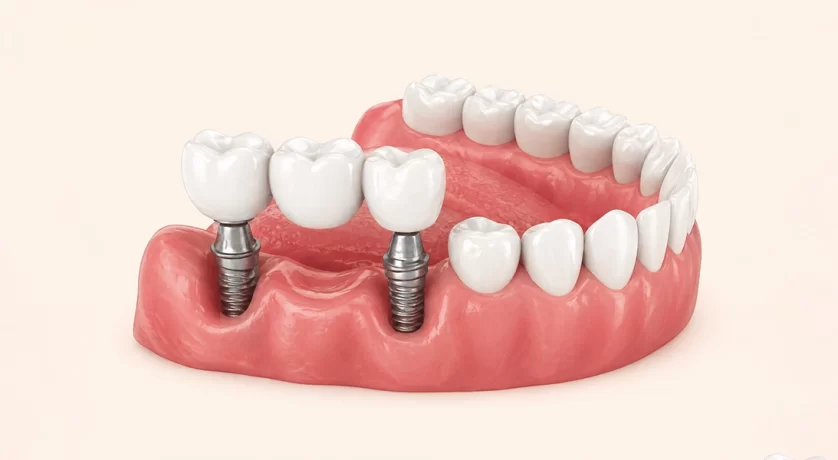
A dental bridge is a reliable solution used to reinstate missing teeth and improve oral function. Over time, however, even well-made restorations may need attention or replacement. Understanding the process of replacing dental bridge restorations can help you feel more prepared and confident about your treatment.
Read More
A self-assured grin can leave a memorable impact, and procedures such as dental bonding provide an easy solution to enhance the look of chipped, stained, or irregular teeth. While the procedure itself is straightforward, the results depend heavily on the skill and approach of the provider you choose. Knowing what to look for can help you feel more confident about your decision.
Read More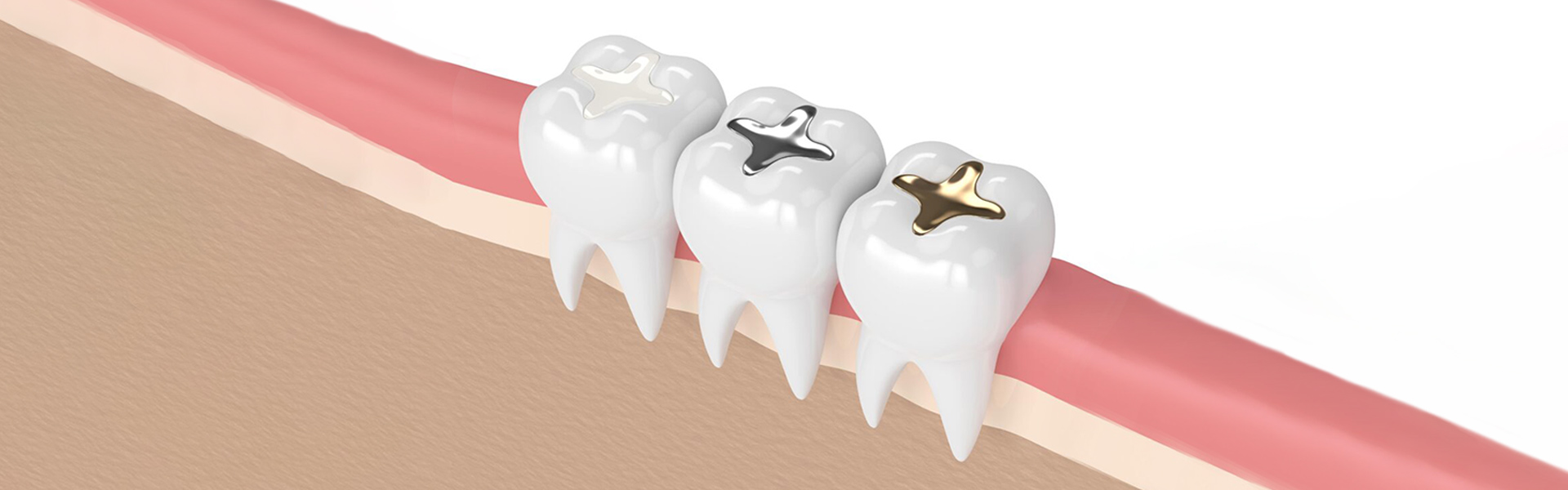
When a cavity needs treatment, choosing the right type of dental filling becomes an important part of protecting your long-term oral health. There are several tooth filling options available today, but two of the most commonly discussed are silver fillings and tooth-colored alternatives. Each material offers its own advantages and limitations, depending on your dental needs, lifestyle, and preferences.
Read More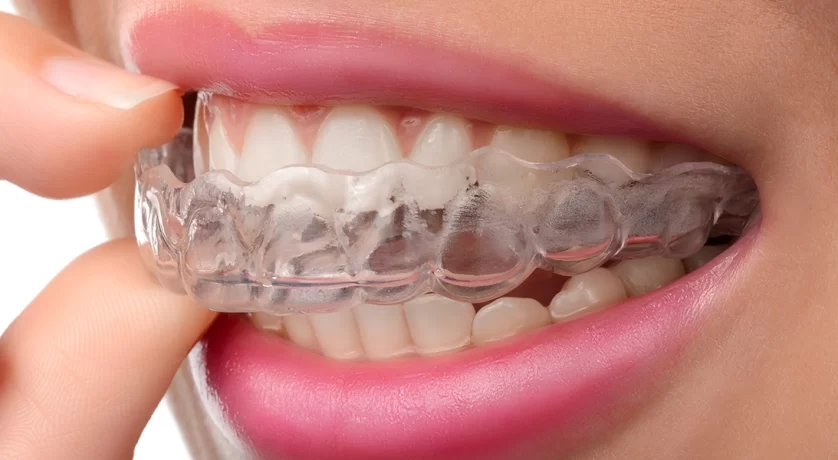
A straighter smile can improve appearance, but alignment also affects how the mouth functions every day. When teeth overlap, twist, or come together unevenly, brushing and flossing become harder, and certain areas of the bite may absorb more pressure than they should. In that setting, Invisalign treatment in Princeton, TX can do more than improve cosmetics. By guiding teeth into healthier positions, it may also support cleaner surfaces, more even wear, and better long-term comfort.
Read More