
Losing a natural tooth is rarely anyone's first choice. Dentists always aim to preserve healthy teeth whenever possible. Yet there are situations where keeping a tooth may allow pain, infection, or damage to spread. In those cases, removing the affected tooth can actually protect your long-term oral health.
Read More
Gum Disease Warning Signs You Should Not Ignore
June 10, 2026Gums rarely become unhealthy overnight. A little blood in the sink while brushing may seem harmless, bad breath may be blamed on lunch, and slight tenderness can be easy to ignore. Yet these subtle changes are often one of your mouth's earliest signs that something needs attention. Left untreated, minor irritation can gradually progress to a condition that threatens the structures that support your teeth.
Read More
Imagine spending several minutes brushing your teeth every day, only to discover a cavity at your next dental visit. It happens more often than many people realize. Although toothbrushes effectively clean smooth tooth surfaces, they may not reach the narrow grooves found on the chewing surfaces of back teeth. Those hidden spaces can trap food, plaque, and bacteria, increasing the risk of tooth decay. That's why many dentists recommend dental sealants in Princeton, TX, as part of a preventive oral care plan for both children and adults. This simple treatment helps protect vulnerable teeth before cavities can develop.
Read More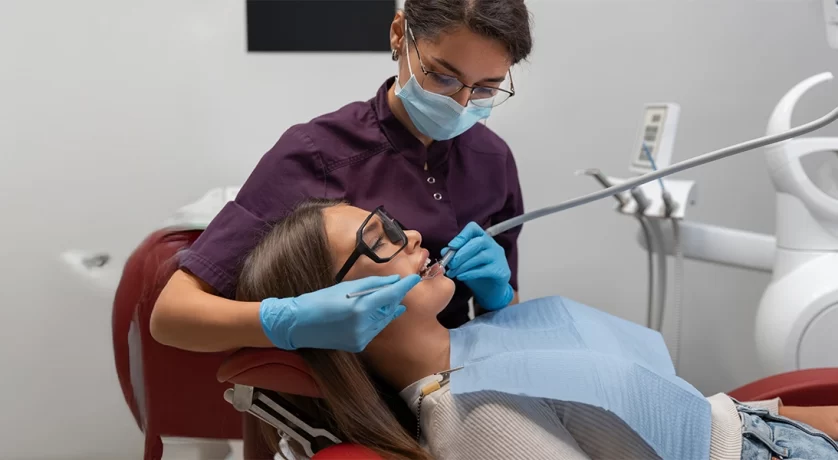
A cavity does not always cause pain at first, which is why early dental care is so important. A small cavity may not cause pain at first, but over time, untreated decay can weaken the tooth and lead to infection or tooth loss. That is why early treatment matters. Dental fillings help repair damaged teeth, strengthen weakened areas, and prevent cavities from spreading deeper into the tooth.
Modern restorative dental care focuses on preserving as much healthy tooth structure as possible. With today’s minimally invasive dentistry techniques and tooth-colored materials, fillings are more comfortable, durable, and natural-looking than ever before. If you have noticed sensitivity, pain while chewing, or visible dark spots on a tooth, visiting a dentist in Princeton, TX, early can help protect your long-term oral health.
Read More