

How Dental Fillings in Princeton, TX Can Save Your Tooth from Decay
June 1, 2026A cavity does not always cause pain at first, which is why early dental care is so important. A small cavity may not cause pain at first, but over time, untreated decay can weaken the tooth and lead to infection or tooth loss. That is why early treatment matters. Dental fillings help repair damaged teeth, strengthen weakened areas, and prevent cavities from spreading deeper into the tooth.
Modern restorative dental care focuses on preserving as much healthy tooth structure as possible. With today’s minimally invasive dentistry techniques and tooth-colored materials, fillings are more comfortable, durable, and natural-looking than ever before. If you have noticed sensitivity, pain while chewing, or visible dark spots on a tooth, visiting a dentist in Princeton, TX, early can help protect your long-term oral health.
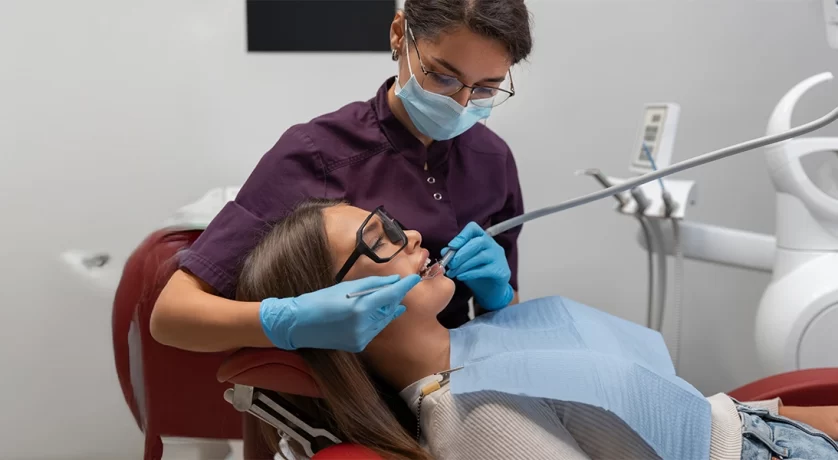
What Are Dental Fillings? Understanding the Basics
Dental fillings are materials dentists use to restore teeth affected by decay, small cracks, or minor structural damage. During a dental restoration procedure, the decayed part of the tooth is removed and replaced with a filling material that seals and strengthens the area.
The goal is to stop decay before it reaches deeper layers of the tooth. Without treatment, decay can spread into the dentin and pulp, increasing the risk of infection and the need for more extensive procedures.
Today’s tooth filling services focus on preserving natural enamel while restoring normal function. Composite fillings are a popular option because they look natural and help strengthen the treated tooth.
Benefits of Dental Fillings
- Stop the spread of decay
- Restore chewing ability
- Reduce tooth sensitivity
- Strengthen weakened teeth
- Support long-term oral infection prevention
According to the CDC, over 90% of adults develop cavities at some point in their lives, making preventive dental care essential for maintaining oral health.
Signs You Might Need a Dental Filling: Early Warning Signs of Tooth Decay
Cavities often develop slowly. Many people do not notice symptoms until the decay becomes more advanced.
Common Warning Signs
- Sensitivity to hot, cold, or sweet foods
- Pain when biting down
- Visible holes or dark spots on teeth
- Persistent bad breath
- Rough or chipped areas on a tooth
- Mild toothache that comes and goes
A professional tooth cavity diagnosis usually includes a visual examination and digital X-rays. Early cavity treatment can prevent the need for more invasive procedures later.
Patients searching for “dental fillings near me” often wait until the discomfort becomes severe. However, early treatment preserves more healthy tooth structure and typically results in a simpler procedure.
Different Types of Dental Fillings and Their Benefits
Dentists may recommend different filling materials based on where the cavity is located and how much damage is present.
Composite Resin Fillings
Composite fillings are tooth-colored restorations that bond directly to enamel. These bonded dental fillings are commonly used because they provide strength while maintaining a natural appearance.
Benefits include:
- Natural-looking results
- Conservative cavity preparation procedure
- Strong support for tooth structure restoration
- Reduced temperature sensitivity
Many patients seeking white dental fillings prefer composite materials for visible areas of the smile.
Amalgam Fillings
Amalgam fillings have been used for decades for their durability and effectiveness for restoring back teeth. They are often used for back teeth that experience heavy chewing pressure.
Both materials can provide long-lasting results with proper oral hygiene and regular dental visits.
How Dental Fillings Restore the Strength and Function of Your Tooth
When decay weakens enamel, the tooth becomes more vulnerable to fractures and sensitivity. Fillings help rebuild damaged areas and protect the tooth from further harm.
During cavity repair, the filling seals the treated area and helps patients chew comfortably again. This process also helps reduce the risk of additional bacterial growth inside the tooth.
Key Benefits of Early Treatment
- Preserve natural teeth
- Prevent deeper decay
- Restore bite strength
- Improve oral comfort
- Reduce the risk of infection
Treating cavities early is usually simpler, more comfortable, and less costly than waiting until the damage becomes severe.
The Dental Filling Procedure: What to Expect During Your Appointment
Most filling procedures today are simple, efficient, and comfortable for patients.
Typical Steps During Treatment
- Examination and Diagnosis
During the exam, the dentist checks the affected tooth and evaluates the extent of the cavity.
- Numbing the Area
Local anesthesia is used to improve comfort during treatment.
- Removing Decay
The damaged tooth structure is removed during the cavity preparation procedure.
- Placing the Filling
The filling material is carefully placed, shaped, and hardened to rebuild the damaged area of the tooth.
- Final Adjustments
The filling is polished and adjusted so your teeth come together comfortably when you bite down.
Most cavity filling appointments can be completed in less than an hour.
Patients from McKinney, TX; Allen, TX; Anna, TX; Melissa, TX; and Farmersville, TX often seek early restorative care to prevent more serious dental problems.
Maintaining Your Dental Fillings: Tips for Long-Lasting Results
Regular brushing, flossing, and dental exams can help fillings stay strong and functional for years.
Helpful Maintenance Tips
- Brush twice daily with fluoride toothpaste
- Floss around restored teeth every day
- Avoid chewing hard objects like ice
- Limit sugary snacks and acidic drinks
- Routine dental visits help monitor your fillings and catch potential issues early
If you notice sensitivity, discomfort, or rough edges around a filling, contact a dentist for an evaluation.
Final Thoughts on Protecting Your Smile
Early cavity care can make a significant difference in preserving your oral health. Dental fillings help stop cavities from spreading while improving comfort and preserving natural teeth. Whether you need composite filling services, tooth enamel repair, or general restorative care, timely treatment helps keep your smile healthy and strong.
Patients across Fairview, TX; Lucas, TX; Wylie, TX; Plano, TX; and Frisco, TX continue to benefit from modern restorative solutions focused on comfort and long-term results. If you are experiencing signs of decay or looking for reliable tooth filling treatment, the experienced team at Hello Dental offers patient-centered care designed to support lasting oral health.
Frequently Asked Questions About Dental Fillings
Composite fillings often last 5–10 years with good oral hygiene habits.
Most patients experience little discomfort because local anesthesia is used during treatment.
Early enamel demineralization may improve with fluoride, but established cavities usually require restorative treatment.
Yes. Modern composite fillings are durable and commonly used for both front and back teeth.