

How Dental Sealants Help Protect Kids and Adults from Cavities?
June 5, 2026Imagine spending several minutes brushing your teeth every day, only to discover a cavity at your next dental visit. It happens more often than many people realize. Although toothbrushes effectively clean smooth tooth surfaces, they may not reach the narrow grooves found on the chewing surfaces of back teeth. Those hidden spaces can trap food, plaque, and bacteria, increasing the risk of tooth decay. That's why many dentists recommend dental sealants in Princeton, TX, as part of a preventive oral care plan for both children and adults. This simple treatment helps protect vulnerable teeth before cavities can develop.
What Are Dental Sealants?
To help prevent cavities, dentists coat the chewing surfaces of molars and premolars with a thin protective sealant. These teeth contain natural pits and fissures, also called occlusal grooves, where plaque biofilm and food particles can become trapped.
Unlike a filling, a sealant is placed on a healthy tooth before decay develops. The material bonds to the enamel, creating a smooth surface that is easier to keep clean
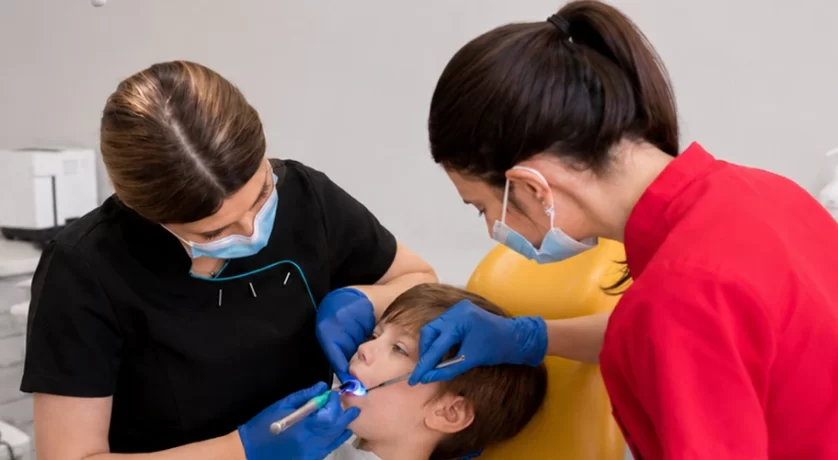
The procedure is quick and comfortable. The dentist first cleans and conditions the tooth, then places the sealant and uses a curing light to harden the material. No drilling or numbing is usually needed
Dental sealants are widely recognized as an effective tool in preventive dentistry because they help reduce the risk of dental caries before damage occurs
Why Molars and Premolars Are More Likely to Develop Cavities
Front teeth have relatively smooth surfaces that are easier to clean. Back teeth are different
Molars and premolars contain deep grooves that naturally collect food debris and oral bacteria. Even careful brushing may not completely remove buildup from these narrow spaces.
Several factors contribute to their higher cavity risk:
- Deep pits and fissures trap bacteria.
- Sticky foods remain in chewing grooves longer.
- Plaque produces bacterial acids that weaken enamel.
- Enamel demineralization begins when acids repeatedly attack the tooth.
- Newly erupted permanent teeth may not yet have fully matured enamel.
The CDC notes that many cavities in school-aged children develop on the chewing surfaces of permanent molars, highlighting the importance of early preventive care.
How Sealants Create a Protective Barrier Against Plaque and Food Particles
A tooth sealant works like a shield over vulnerable chewing surfaces.
Instead of allowing bacteria and food particles to settle inside deep grooves, the sealant fills these tiny spaces with a smooth protective coating. This barrier limits plaque accumulation while reducing direct acid exposure to the enamel.
Benefits include:
- Better occlusal surface protection
- Reduced plaque retention
- Easier brushing
- Lower risk of tooth decay
- Improved enamel protection
Although sealants provide excellent protection, they work best alongside daily brushing, flossing, healthy eating habits, and regular dental examinations.
Why Dental Sealants Are Helpful for Children and Teens
Children experience important changes as their permanent teeth erupt.
The first permanent molars usually appear around age six, followed by the second molars during early adolescence. These newly erupted teeth have deep grooves that can quickly collect plaque before children develop consistently effective brushing habits.
Sealants may help by:
- Protecting healthy permanent teeth
- Lowering cavity risk during childhood
- Reducing the need for restorative treatment later
- Supporting healthy oral development
- Encouraging long-term preventive care
Some younger children with deep grooves in their primary teeth may also benefit if their dentist determines that they are at increased risk of decay.
Because preventing cavities is easier than treating them, early protection often supports healthier smiles throughout adulthood.
Can Adults Benefit From Dental Sealants?
Although many people associate sealants with pediatric dental care, adults can benefit as well.
If healthy molars have deep grooves without fillings or active decay, sealants may still provide valuable protection.
Adults who may be good candidates include those who have:
- A history of frequent cavities
- Dry mouth that increases cavity risk
- Naturally deep chewing grooves
- Difficulty cleaning back teeth
- Increased exposure to cavity-causing factors
Your dentist will evaluate each tooth individually before recommending treatment. Teeth that already have significant decay or large restorations may require different treatment options.
Dental Sealants in Princeton, TX, and Fluoride: How Both Support Cavity Prevention
People often wonder whether sealants replace fluoride treatment. They do not. Instead, they work together.
Sealants provide physical protection by covering vulnerable chewing surfaces.
Fluoride strengthens enamel throughout the mouth by encouraging remineralization and increasing resistance to acid attacks.
Together, they support comprehensive cavity prevention.
A preventive plan may include:
- Professional fluoride varnish applications
- Fluoride toothpaste
- Dental sealants, when appropriate
- Daily flossing
- Regular cleanings
- Balanced nutrition
Using multiple preventive strategies provides stronger protection than relying on only one approach.
When to Ask a Dentist if Sealants Are Right for You
Every smile is different, which is why professional evaluation matters.
You may want to ask your dentist about sealants if you or your child has:
- Newly erupted permanent teeth
- Deep pits and fissures
- Previous cavities
- Orthodontic appliances
- Difficulty cleaning molars
- Higher risk of tooth decay
During a routine examination, your dentist can determine whether sealants are appropriate based on your oral health, cavity risk, and existing restorations.
Expert Insight: Prevention Preserves Natural Tooth Structure
Preventive dentistry focuses on protecting tooth enamel early, helping reduce the risk of permanent damage over time.
Unlike many other tissues in the body, tooth enamel cannot regenerate once a cavity has formed. While fillings successfully restore damaged areas, preserving natural tooth structure remains the preferred goal.
If you’ve been searching for “dental sealants near me”, you’ll likely find that dentists recommend them because they help protect the deep grooves of healthy teeth before cavities develop.
Regular dental visits also help your dentist monitor sealants and replace them if normal wear occurs over time.
Practical Tips for Keeping Teeth Healthy
Sealants provide additional protection, but daily habits remain essential.
To reduce your risk of cavities:
- Brush twice each day with fluoride toothpaste.
- Floss daily.
- Limit sugary snacks and beverages.
- Drink water throughout the day.
- Attend routine dental checkups.
- Replace worn toothbrushes regularly.
- Follow personalized recommendations from your dental team.
Small preventive habits practiced consistently often make the biggest difference over time.
Final Thoughts
Preventing cavities is often simpler, more comfortable, and less expensive than treating them after they develop. Dental sealants in Princeton, TX, help protect vulnerable molars and premolars by creating a durable barrier against plaque, food particles, and harmful bacteria. Combined with fluoride, good oral hygiene, and regular dental visits, they can maintain healthy smiles for patients of all ages. If you’re wondering whether sealants are appropriate for you or your child, Hello Dental & Orthodontics can evaluate your oral health and recommend preventive solutions that support long-term dental wellness.
Frequently Asked Questions
No. Dental sealants are usually placed without anesthesia because the treatment is quick and non-invasive.
Many remain effective for several years and are checked during routine dental visits.
Yes. Healthy molars with deep grooves may still benefit from protection.
They serve different purposes. Sealants prevent cavities, while fillings repair teeth already affected by decay.
Yes. Fluoride strengthens all teeth, while sealants protect specific chewing surfaces.