
Addressing a Loose Dental Implant: Understanding the Urgency of the Situation
May 10, 2026Dental implants are intended to provide a stable and enduring solution for missing teeth. However, if you experience any movement or discomfort around your implant, it is essential to address these symptoms promptly. A loose dental implant may indicate an underlying problem that needs immediate evaluation to prevent further complications.
Being aware of how to respond in such situations and knowing when to seek professional care are crucial steps in safeguarding both your oral health and the value of your dental investment.
What Causes A Dental Implant To Become Loose?
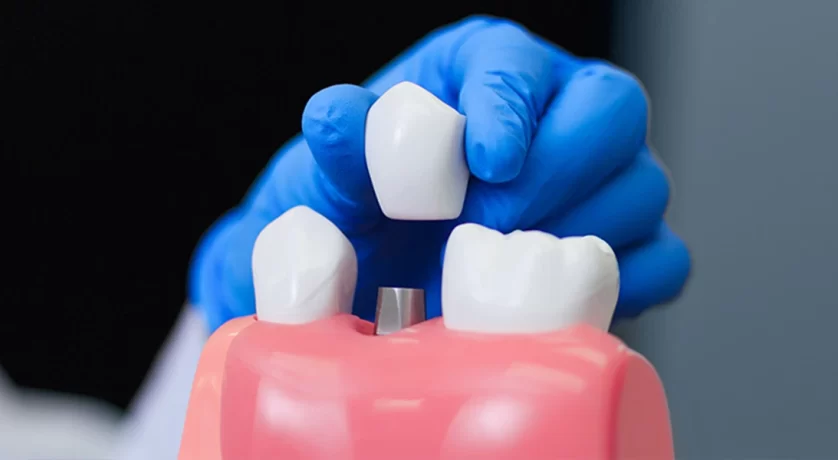
A dental implant is made up of multiple components, including the implant fixture, which is placed into the jawbone, and the crown that sits on top. When any part of this structure becomes unstable, it can lead to looseness.
Common causes include:
- Incomplete integration with the bone
- Infection around the implant
- Damage to the surrounding tissue
- Excessive pressure from biting or grinding
- Issues with the attached crown
In some cases, looseness may involve the crown rather than the implant itself, which can change how the issue is treated.
Why A Loose Implant Should Be Treated Urgently
A dental implant emergency occurs when the stability of the implant is compromised. This is important because implants rely on strong support from the surrounding bone and tissue.
If left without treatment, the condition can worsen and lead to:
- Increased discomfort
- Infection spreading to nearby areas
- Structural damage to the implant
- Difficulty restoring the area later
Prompt care improves the chances of preserving the implant and avoiding more complex procedures.
How To Recognize The Warning Signs
Early detection can help stop more serious complications. Being aware of symptoms allows you to seek help before the issue progresses.
Signs of implant stability issues may include:
- Movement when biting or touching the implant
- Pain or discomfort in the area
- Swelling or redness in the gums
- Difficulty chewing
- Changes in how the implant feels
These symptoms often indicate the need for professional evaluation.
Step 1: What To Do Immediately
If your implant feels loose, taking the right first steps can help prevent further damage.
When dealing with a loose dental implant, you should:
- Avoid chewing on the affected side
- Avoid trying to tighten or modify the implant on your own.
- Keep the area clean without applying pressure
- Contact your dentist as soon as possible
Quick action helps reduce the risk of worsening the condition.
Step 2: Protecting The Implant Area
While waiting for your appointment, protecting the implant is important to avoid additional stress on the area.
You can help protect the implant by:
- Eating soft foods
- Avoiding hard or sticky items
- Maintaining gentle oral hygiene
- Avoiding habits like grinding or clenching
These precautions can help minimize strain on the implant-supported restoration until you receive care.
Step 3: Professional Treatment Options
After you see your dentist, they will evaluate your situation and decide on the most appropriate treatment plan.
Treatment may involve:
- Tightening or repairing the crown if it is loose
- Addressing infection if present
- Stabilizing the implant if possible
- Recommending dental implant reattachment in certain cases
In some situations, additional procedures may be needed to restore proper support.
Why Implants Can Loosen Over Time
Dental implants are durable, but certain factors can affect their long-term stability.
Common reasons include:
- Poor oral hygiene
- Smoking or tobacco use
- Bone loss around dental implants
- Excessive bite force
- Natural wear over time
Having the know-how of these factors can help reduce the risk of future issues.
Potential Risks Of Ignoring The Problem
Ignoring a loose implant can lead to more serious complications. Early treatment is always the best approach.
Risks may include:
- Progression of implant failure
- Spread of infection
- Damage to the surrounding bone
- Loss of the implant
- Need for more extensive treatment later
Addressing concerns early helps preserve both function and appearance.
Experiencing Implant Problems? Schedule An Emergency Consultation Today!
It’s important to got for a loose dental implant repair promptly, as it can pave the way to further complications. At Hello Dental & Orthodontics, we prioritize patient care and are dedicated to evaluating and managing urgent dental issues effectively.
If you are experiencing discomfort or movement, seeking implant treatment near you can help restore stability and protect your oral health.
Frequently Asked Questions
In numerous instances, prompt intervention can be beneficial in stabilizing the implant, depending on the underlying cause of the problem.
In some cases, the issue may simply be that the crown is loose, which can often be a straightforward fix.
The experience of patients can vary significantly; some individuals may report discomfort, while others may experience movement without any associated pain.
It is important to seek medical attention promptly to minimize the risk of complications.
It is important to note that problems can arise gradually, particularly in the absence of regular maintenance.