


Common Reasons Gums Bleed During Brushing or Flossing
July 15, 2026Bleeding while brushing or flossing can be surprising. Many people assume it happens because they brushed too hard, then ignore it when the bleeding stops. In reality, your gums may be signaling that something needs attention. Healthy gums should not bleed during daily oral care. While occasional irritation can have a simple explanation, persistent bleeding often points to inflammation caused by plaque, tartar, or early gum disease. If you're searching for bleeding gums treatment in Princeton, TX, understanding the reason behind the bleeding is the first step toward protecting your smile and preventing more serious dental problems.
Read More
A small cavity rarely begins with pain. Gum disease often develops quietly. Even tiny areas of enamel damage can progress for months before they become noticeable. That's why many expensive dental treatments begin with problems that were once simple to manage. Preventive dentistry in Princeton, TX, focuses on finding these early changes before they become larger concerns. Instead of waiting until discomfort appears, regular preventive care helps protect natural teeth, preserve healthy gums, and keep small concerns from progressing into treatments that are more complicated.
Read More
How Regular Dental Checkups Detect Problems Early Before They Become Painful and Costly
July 1, 2026Many oral health problems begin long before symptoms appear. A cavity may begin as a small area of enamel damage. Gum disease can develop without discomfort, and a worn filling may not cause noticeable changes right away. Because these issues often progress gradually, many patients are unaware of them until they are discovered during a dental visit.
Read More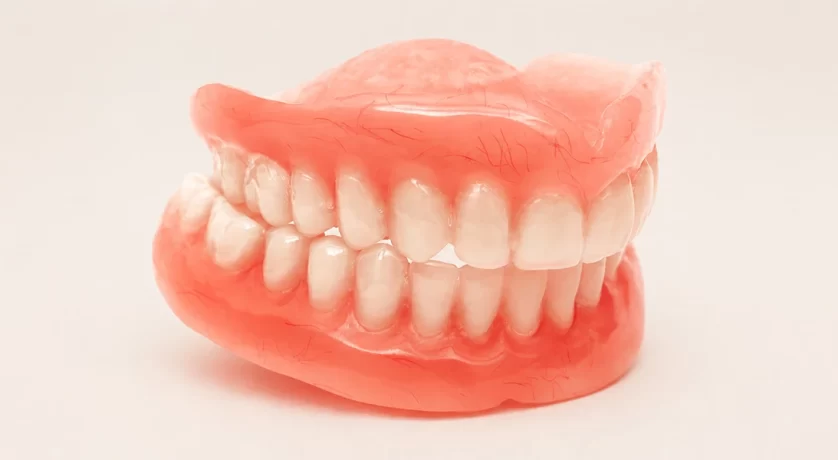
Losing one tooth changes more than your smile. Losing several can affect the way you chew, speak, and even how your face is supported over time. At first, it may seem that every denture serves the same purpose. In reality, the right choice depends on factors such as your remaining natural teeth, gum health, and overall oral condition. If you're exploring dentures in Princeton, TX, understanding the difference between full and partial dentures can make your consultation far less overwhelming. A clear understanding of your options allows you to make a confident choice that promotes comfort, better function, and long-term oral health.
Read More